Felix Nkambeh Tih
13 November 2015•Update: 13 November 2015
BUJUMBURA, Burundi
Burundian authorities have said the presence of UN troops in the country is “out of the question”, while welcoming the Security Council resolution adopted Thursday to boost UN presence and halt violence across the country.
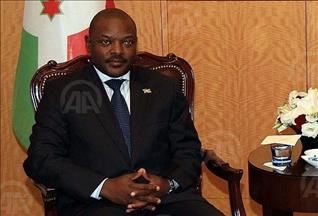
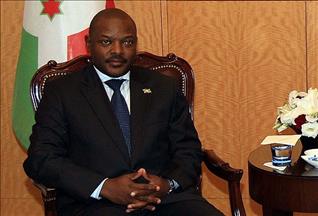
The resolution recognizes Burundi’s independence and efforts to restore peace in the country, Willy Nyamitwe, senior advisor to the President of Burundi told Anadolu Agency on Friday. “We do not have any objection to the resolution,” Nyamitwe said, declaring it “in line with the position of the country’s authorities”.
"Contrary to what has been interpreted by some, the resolution does not give way to the deployment of UN troops, which would have been out of the question," he said.
Although it was adopted unanimously, "the resolution is completely different from the draft France submitted a few days ago,” Nyamitwe said, adding that France had tried to isolate Burundi.
Commenting on the strengthening of the UN presence in Burundi, Nyamitwe said that "the UN is already present in Burundi through its agencies, such as UNICEF.”
The UN Security Council resolution is shy of specifics in the way of sanctions, simply floating "additional measures" against "all Burundian actors whose actions and statements contribute to the perpetuation of violence and impede the search for a peaceful solution".
The unanimously adopted resolution urges Burundi's government and all stakeholders to "reject any kind of violence" and demands all parties "refrain from any action that would threaten peace and stability in the country".
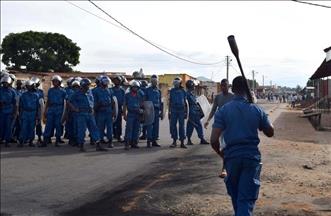
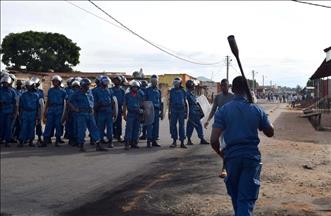
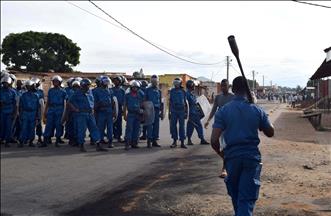
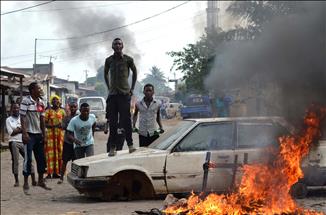
The Security Council move comes as the UN and the African Union negotiate whether to deploy peacekeepers to help de-escalate the conflict, which has led to extra-judicial killings, torture, arbitrary arrests and other human rights violations plaguing the African country.
At least 240 victims have been killed in Burundi since protests began in April when President Pierre Nkurunziza -- in power since 2005 -- decided to stand for a third term.