Berk Kutay Gökmen
31 July 2026•Update: 31 July 2026
Arizona, California, and Nevada will likely cut Colorado River water use by about 20% over the next two years under a long-awaited federal plan, with even deeper reductions possible later, The Washington Post reported on Friday.
The proposal, part of which the Bureau of Reclamation is expected to describe in an Environmental Impact Statement on Friday, is intended to address the river’s worsening water crisis but is seen as insufficient to resolve disputes among water users or secure the river’s long-term future.
The initial cuts largely mirror a proposal the three Lower Basin states submitted earlier this year and serve as the first phase of a broader 10-year management framework.
Rather than setting fixed rules, the framework would require new operating plans every two years and could allow Lower Basin water deliveries to be reduced by up to 40%.
The proposal does not include mandatory cuts for the Upper Basin states of Colorado, New Mexico, Utah, and Wyoming.
A separate two-year operating plan detailing the initial Lower Basin reductions is also expected soon, although both documents remain subject to negotiation.
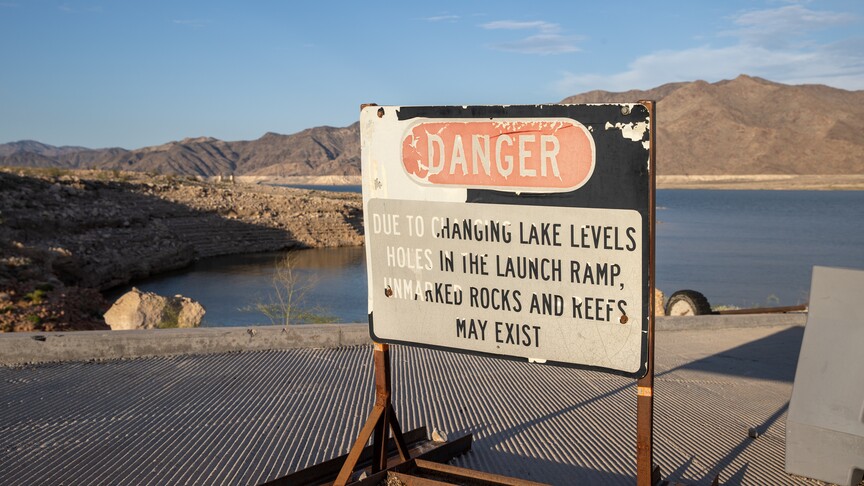
Current rules, which expire at the end of September, have failed to curb long-term overuse of the river during a prolonged drought intensified by climate change.
Following poor snowfall and an unusually hot spring, river inflows have fallen to less than a quarter of average annual demand, while major reservoirs have reached record lows.
Scientists warn that another one or two dry years could severely disrupt hydropower generation, drinking water supplies, and irrigation across roughly 5 million acres of farmland.
Federal officials are said to have criticized states for failing to compromise, while negotiators argue the Interior Department has provided too little leadership and financial support. Several states are preparing for possible legal battles over water allocations.