Barry Ellsworth
05 May 2026•Update: 05 May 2026
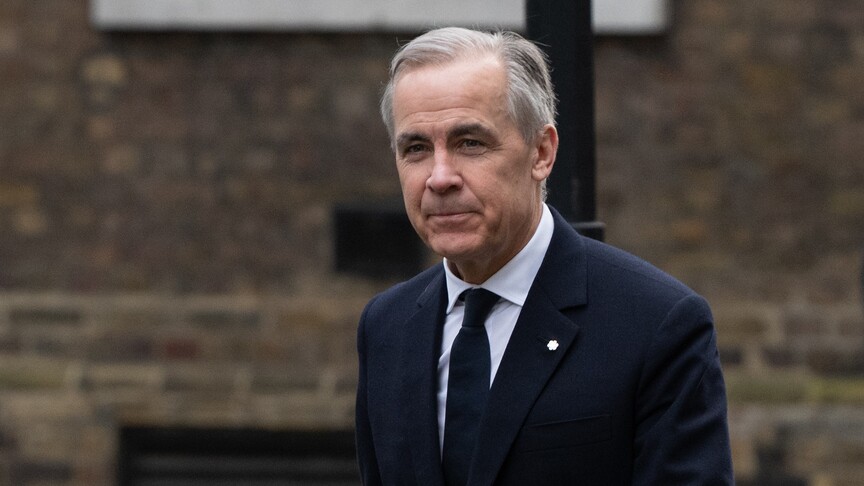
Canadian Prime Minister Mark Carney announced Tuesday the appointment of former Supreme Court Justice Louise Arbour as the new governor-general (GG) of Canada.
“Louise Arbour will represent the best of Canada” to Canadians and the world, Carney said at a news conference in Ottawa.
The GG, chosen by the prime minister of Canada with the approval of King Charles, represents the monarchy, and while the position is basically ceremonial, it does come with wide-reaching powers.
The GG can dissolve parliament, swear in the prime minister and senior Cabinet ministers and gives Royal Assent to legislative bills. The GC is also the titular head of the Canadian Armed Forces.
Arbour, 79, replaces Mary Simon, who made history as the first Indigenous GG. She has held the position since 2021.
Canada has two official languages. Arbour is bilingual, an important point as Simon was a controversial appointment, as she did not speak French.
Arbour was also a UN high commissioner for human rights and chief prosecutor of the International Criminal Tribunals for war crimes in Rwanda and Yugoslavia.
“Survivors of genocide saw justice in their lifetimes,” said Carney.
Taking questions after the appointment, Arbour was asked if her previous criticism of US President Donald Trump’s Iranian offensive would result in blowback. She said, “No,” as people understand private views are not the same as official expressions while in public office.
Arbour becomes the 31st GG of Canada. Many, both English and French, have held the position over the centuries, the first in the 1600s.
The first Canadian was Vincent Massey, who held the position from 1952 - 59.
In modern times, a GG usually serves a five-year term and the position is non-partisan.