Michael Gabriel Hernandez
29 April 2026•Update: 29 April 2026
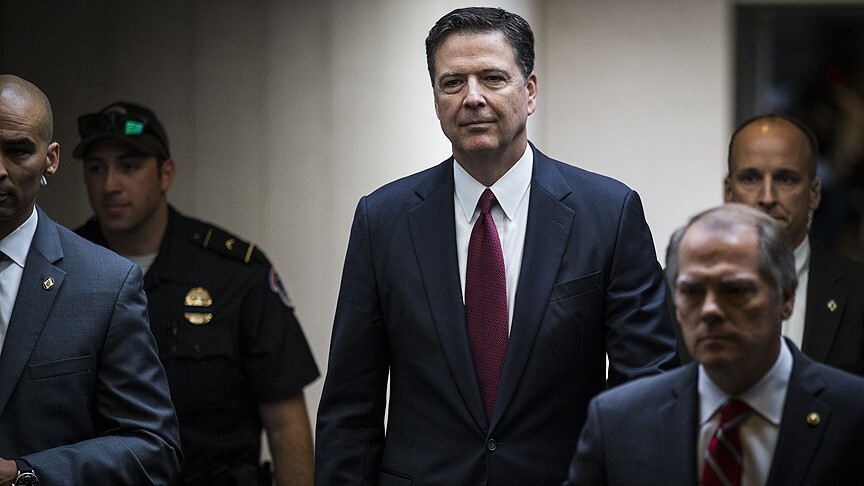
Former FBI Director James Comey appeared Wednesday in federal court in the state of Virginia after being indicted for posting a photo on social media of seashells arranged on a beach to read "86 47."
Comey appeared before Magistrate Judge William Fitzpatrick during a five-minute court hearing, and was released on his own recognizance, according to the Washington Post newspaper. Comey is expected to enter a formal plea related to charges brought by the Justice Department of threatening the president during a later hearing in North Carolina.
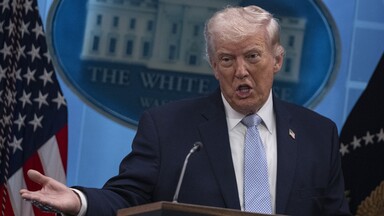
The number "86" is used colloquially to refer to firing, or getting rid of someone while "47" refers to President Donald Trump, the 47th President of the United States. Trump and his allies have alleged that it is a call to violence against the president
Shortly after his indictment was announced Tuesday, Comey pushed back, maintaining his innocence.
"Well, they're back. This time about a picture of seashells on a North Carolina beach a year ago, and this won't be the end of it. But nothing has changed with me. I'm still innocent. I'm still not afraid, and I still believe in the independent federal judiciary. So let's go," he said in a video posted to Substack.
"But it's really important that all of us remember this is not who we are as a country. This is not how the Department of Justice is supposed to be. And the good news is we get closer every day to restoring those values. Keep the faith."
The indictment charges Comey with two counts of knowingly and willfully making a threat to take the life of, and to inflict bodily harm on, the president, and knowingly and willfully transmitting in interstate commerce a threat to kill the president.
The latest case is the second against Comey after the Justice Department brought a first indictment on charges that the former FBI head lied to Congress. The charges were ultimately thrown out by a judge after Comey pleaded not guilty.
In seeking to dismiss the first indictment, Comey’s attorneys said Trump had ordered prosecutors to charge him out of "personal spite" and that the prosecution was "selective" and "vindictive."