Merve Aydogan
05 May 2026•Update: 05 May 2026
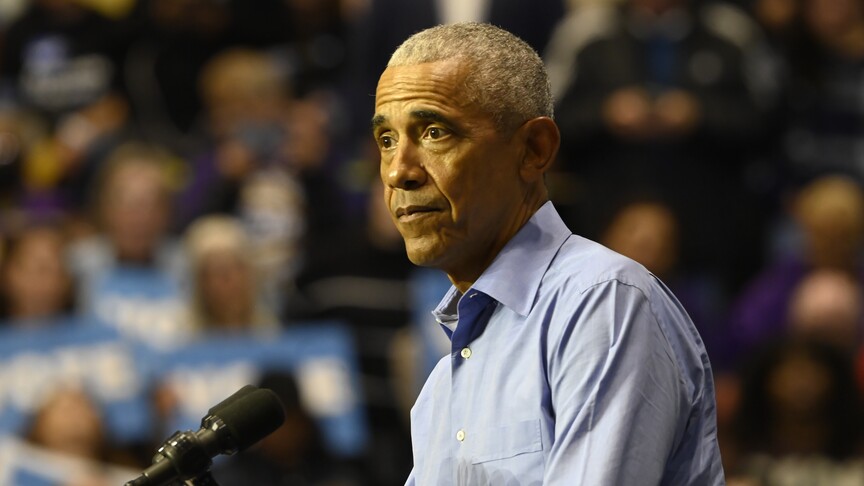
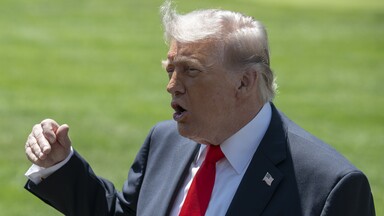
Former US President Barack Obama has warned that America risks causing catastrophic global damage if its leaders abandon basic human values, responding indirectly to President Donald Trump's threat that Iran faced destruction if it did not surrender, according to an interview Monday.
"I believe American leadership, as represented by the American president, has to reflect a basic regard for human dignity and decency, not just within our own borders but beyond," Obama said in a profile in the New Yorker magazine titled "Barack Obama Considers His Role in the Age of Trump."
Casting doubt on whether the war against Iran had been worth it, Obama said Israeli Prime Minister Benjamin Netanyahu had pushed both him and Trump hard for military confrontation but that he had refused.
"I think my prognosis was accurate," he said, questioning whether the outcome truly benefited Israel or the United States.
Netanyahu has "gotten what he wanted. Whether that's what is ultimately best for the Israeli people, I would question that. Whether I think it's what is good for the United States and America, I would question that. I think there's an ample record of my differences with Mr. Netanyahu," he added.
On Trump's threat against Iran, saying "a whole civilization will die tonight, never to be brought back again," Obama, without naming the US president directly, said such language ran counter to what American leadership should stand for.
"If we are not giving voice to those core values — that there are innocent people in countries with terrible governments and we have to care about those people, that we can make mistakes if we are not guarding against hubris and pure self-interest…If we don't have those things, the world can break in very bad ways," he said.
Pointing to Trump's broader damage to America's relationships with its allies, Obama warned that rebuilding them would be an enormous challenge.
"I do think that repairing the damage that's been done to the international order is going to be even harder than some of the domestic repairs," he said, describing the post-World War Two system of international cooperation as "one of America's better moments."