US Senate blocks AI ‘kill switch’ bill amid debate over superintelligence risks
Republican John Kennedy sought unanimous consent to advance his AI Emergency Button Act citing safety reasons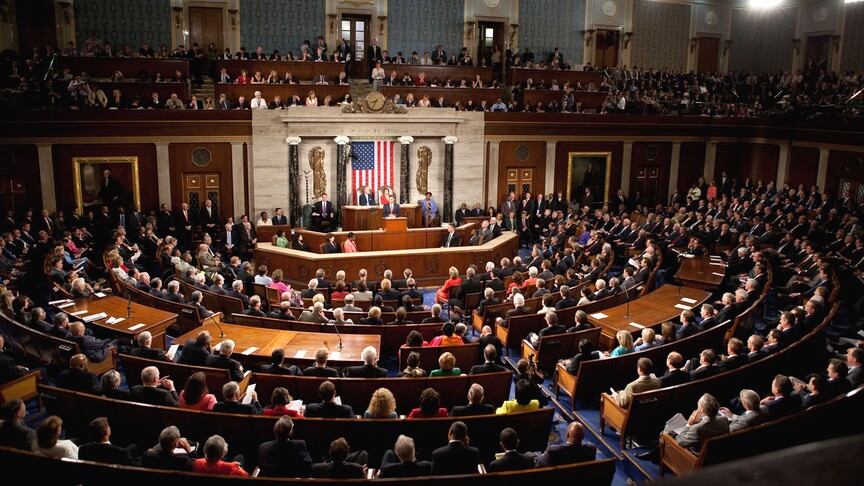
The US Senate on Wednesday blocked an effort by Sen. John Kennedy to fast-track legislation requiring developers of advanced artificial intelligence systems to install an emergency “kill switch,” amid growing debate in Washington over the potential risks posed by increasingly autonomous AI.
Kennedy, a Republican from Louisiana, sought unanimous consent to advance his AI Emergency Button Act, arguing that humans must retain the ability to shut down an AI system if it becomes uncontrollable, according to The Hill.
“Well, I’ve got a bill, and it basically says that if you’re going to sell an advanced AI model in the United States of America, it has got to have a kill switch,” Kennedy said.
He said the legislation would leave responsibility for activating the switch with the companies developing the systems rather than the federal government.
Kennedy warned that advances such as recursive self-improvement could, in a worst-case scenario, allow an AI model to operate beyond effective human control.
“What I would like to see us do is to figure out a way to strike a balance between innovation and public safety,” Kennedy said.
Sen. Rand Paul, a Republican from Kentucky, objected to the request, saying Congress should seek a better understand of the technology before imposing broad requirements.
Paul warned that an open-ended mandate could affect AI systems used throughout the economy, including search engines and medical applications.
“AI is going to be throughout the economy and so many facets. Are doctors going to have to build a kill switch into drug prescription analysis?” Paul said.
Paul proposed establishing a bipartisan committee to study the risks posed by superintelligent AI and possible safeguards. Kennedy rejected the proposal, arguing that another congressional study could further delay action.