Aamir Latif
31 May 2019•Update: 01 June 2019
KARACHI, Pakistan
Pakistan on Friday reiterated its support for “an Afghan-led and Afghan-owned” reconciliation process for a political solution in the war-torn country.
The commitment was reaffirmed by Prime Minister Imran Khan in a meeting with Afghan President Ashraf Ghani on the sidelines of the 14th Islamic Summit in Mecca, Saudi Arabia, said a Pakistani Foreign Ministry statement.
The leaders exchanged views on bilateral relations and the Afghan peace and reconciliation process, the statement said, adding: “Prime Minister Khan reaffirmed Pakistan's commitment to a peaceful and stable Afghanistan.”
Ghani’s planned visit to Pakistan will provide an opportunity to further focus on political, security, economic, and people-to-people aspects of Pakistani-Afghan relations, it added.
Relations between the two neighbors have been frosty for the last several years, with both accusing each other of harboring militants.
In 2015 Pakistan brokered the landmark first round of direct talks between the fragile Afghan government and the Taliban, but the process broke down after the Taliban announced the death of their longtime leader Mullah Omar, triggering a bitter power struggle within the militia.
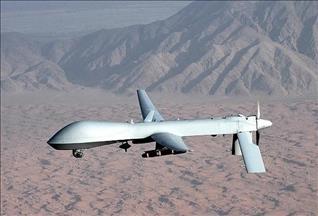
Chances of resuming the stalled process dimmed further following the death of Omar’s successor, Mullah Mansur, in a 2016 U.S. drone strike on Pakistan’s side near the Afghan border.
In recent months, however, Washington has stepped up efforts, including direct talks with the Taliban, in a bid to bring an end to the nearly 18-year conflict in Afghanistan.
In the last six months U.S. envoy to Afghanistan Zalmay Khalilzad has paid numerous visits to the region and held multiple rounds of direct talks -- sponsored by Islamabad -- with the Taliban.
Pakistan also released two top Taliban commanders, including former deputy chief Mullah Abdul Ghani Baradar, in October 2017 on a U.S. demand to help facilitate the Afghan peace process. Baradar is heading the Taliban delegation in the intra-Afghan dialogue in Moscow.
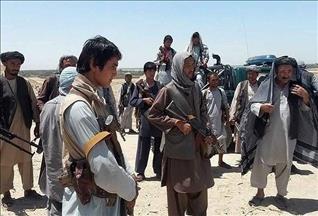
The Taliban has opened new battlefronts across the war-torn nation in recent months as Afghan security forces -- suffering casualties and desertions -- struggle to beat back a revitalized insurgency.