22 February 2016•Update: 22 February 2016
MELBOURNE, Australia
A commander in charge of the United States Navy’s largest fleet called on Australia and other countries Monday to conduct “freedom of navigation" operations off disputed islands in the South China Sea.
Vice Admiral Joseph P Aucoin, Seventh Fleet commander, told reporters in Sydney it would be "valuable" for more countries to sail within 12 nautical miles of the islands – a move that challenges territorial claims as the distance marks sovereignty from land to sea.
"It's up to those countries, but I think it's in our best interests to make sure that those sea lines remain open, I'll leave it at that," the Sydney Morning Herald quoted him saying.
Since October, two U.S. warships have sailed close to Chinese claimed features in freedom-of-navigation operations that Beijing has called "provocative".
China claims most of the mineral-rich South China Sea, and its efforts in the waters and islands have been drawing criticism from countries with overlapping claims who consider the moves to be “aggressive”.
The U.S. and its allies have been expressing alarm at China’s maritime expansion, including the building of artificial islands, which they suspect is aimed at extending its military reach.
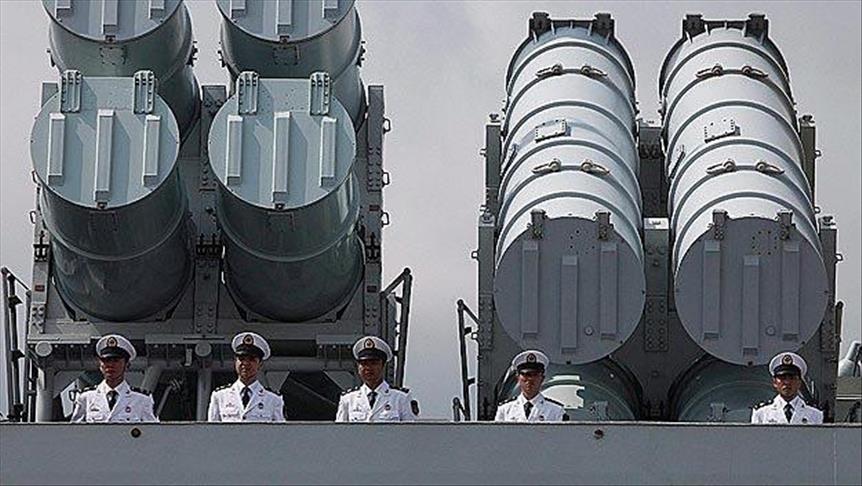
After it was revealed last week that China had placed surface-to-air-missiles on the Paracel Island chain, Beijing’s foreign ministry defended their presence as an “exercise of sovereignty”.
Aucoin stressed Monday that the U.S. would continue freedom of navigation operations despite the presence of missiles in the region, while criticizing the island-building as "destabilizing".
"The scale and the speed of the reclamation of China has been alarming… I don't know what their intentions are, but… we're going to sail, fly, operate in these waters and be prepared for any contingency," he asserted.
Referring to U.S. ships sailing near the islands, he said the U.S. was only doing what it had for decades – “ensuring that these sea lines of communication remain open".
He expressed concern, however, over such activities being “portrayed as U.S. versus China”.
"Really what we're trying to ensure here is that we're exercising our rights and freedoms under the law of the sea,” news broadcaster ABC quoted him saying.
“What we're trying to ensure is that all countries, no matter size or strength, can pursue their interests based on the law of the sea and not have that endangered by some of these actions," Aucoin added.
“Trillions of dollars of commerce go through there ... so we should ensure [the sea lanes] remain open, that we will continue sailing in those waters,” he stressed.
Meanwhile, a Chinese foreign ministry spokesperson defended Monday the deployment of “limited defense facilities” in the region as Beijing’s “exercise of self-defense right to which a sovereign state is entitled under international law”.
Hua Chunying asserted that the U.S. is “not a party concerned in the South China Sea dispute” and that the situation in the region “is not and should not become an issue between China and the U.S."
She called on the U.S. to adhere to its commitment of not taking sides in the matter and to “stop sensationalizing the South China Sea issue, stop hyping up tensions and work constructively for regional peace and stability, rather than the opposite.”