Amid falling oil prices, Nigeria budgets $23.8bn for 2015
The new budget is nearly 400 billion naira short of the previous budget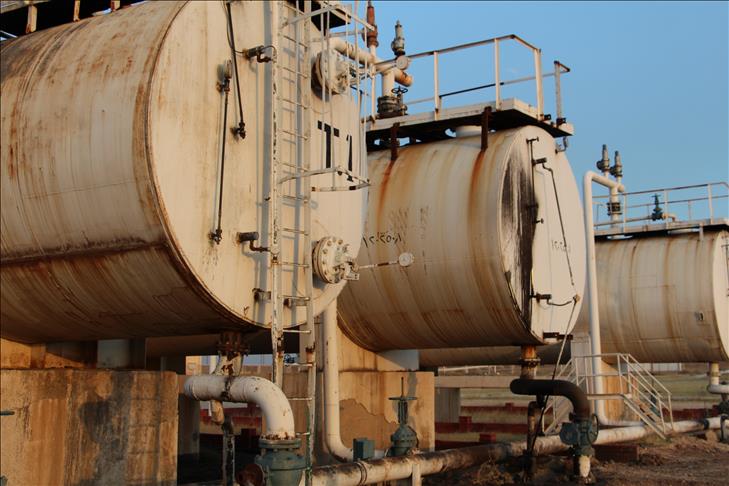
By Rafiu Ajakaye
LAGOS
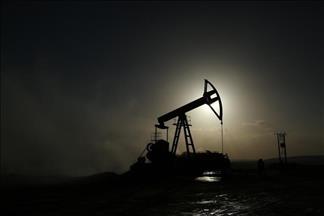
Nigerian Finance Minister Ngozi Okonjo-Iweala on Wednesday unveiled before parliament a budget estimate of 4.3 trillion Nigerian naira (roughly $23.8 billion) for 2015 – nearly 400 billion naira short of the previous budget, reflecting the biting effects of the current drop in international crude oil prices.
Details of the budget, as laid out in a Medium Term Expenditure Framework and Fiscal Strategy (MTEF) document sent to parliament, call for $14.5 billion to be earmarked for recurrent expenditures and $3.5 billion for capital expenditures.
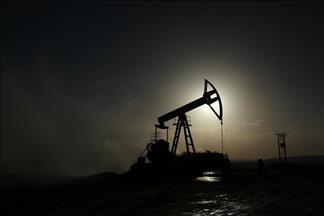
The 2015 budget pegs the oil benchmark at $65 per barrel – a seemingly unrealistic figure in view of the ongoing fall of Brent crude prices, which on Tuesday fell to $59.83.
This could force Nigeria to revise its benchmark downward.
Nigeria had earlier pegged its oil benchmark at $78 per barrel – up from $77.50 the previous year – in the MTEF sent to parliament in September.
It had also put the exchange rate at 160 Nigerian naira to the U.S. dollar.
But the fall in global crude oil prices prompted a reappraisal of the budget estimate.
The official exchange rate now stands at 165 naira to the dollar, although this appears far from realistic as dollars currently trade for at least 181 naira.
The MTEF in September submitted a proposed budget of 4.8 trillion naira with a $78 oil benchmark and an exchange rate of 165 naira to the dollar, which was later revised down to 4.7 trillion naira and a $73 oil benchmark, along with an exchange rate of 162 naira to the dollar. Both proved unrealistic, given fluctuating oil prices.
Nigeria depends largely on earnings from crude oil sales, the mainstay of the national economy.