Burhan Sansarlioglu and Emir Yildirim
07 September 2026•Update: 07 September 2026
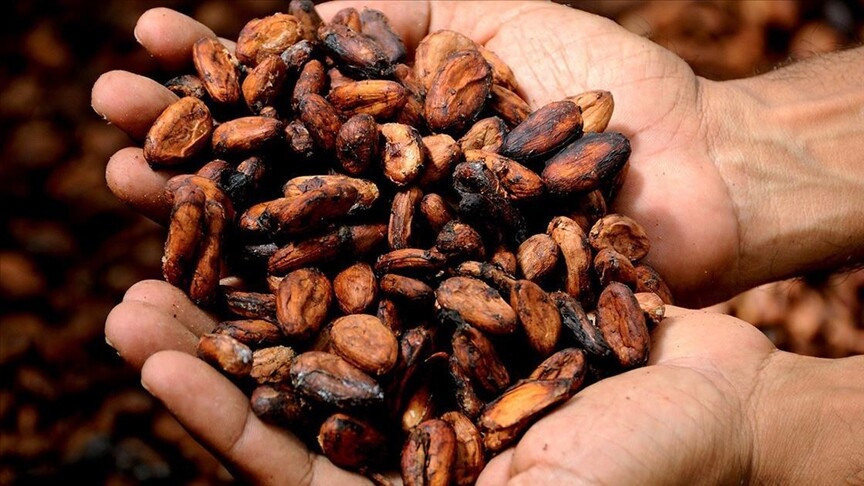
Cocoa prices extended their positive trend for a sixth consecutive month, rising 25.5% per metric ton in August to $6,771 on global markets due to the impact of El Nino and concerns over a potential supply crunch in West Africa.
Geopolitical risks and climate issues fueled supply concerns, with significant increases across commodity prices last month, especially in agricultural products.
Wheat rose 21% per bushel as escalating Russia-Ukraine tensions threatened Black Sea grain trade, with a near-complete halt in grain loading operations in the Black Sea due to hostilities between the two countries, as well as port closures.
Corn climbed 16% due to declining production in Brazil and a falling US harvest, while strong Chinese demand for soybeans and declining production in South America increased its price by 8.5%.
Rice jumped 9.2% as adverse weather conditions and below-average monsoon rains in major rice producers in Asia, especially in India, fueled concerns over yields and reduced future supply expectations.
Coffee fell 1% per pound due to increased rainfall forecasts in Brazil, while sugar surged 21.5% on rising oil prices, as sugarcane is one of the raw materials used in ethanol production.
Cotton rose 13.9% due to hot weather and drought in cotton-producing regions of the US.
Cocoa reversed course this year after plummeting last year, surging 25.5% to $6,771 per metric ton.
Cocoa saw its fastest annual decline, at 48.1%, last year due to easing drought concerns in West Africa and increasing harvests.
The commodity sharply declined in January and February 2026, making a poor start to the year, but prices jumped 14.3% in March, 8.2% in April, 9.9% in May, 29.4% in June and 6.3% in July.
Daniela Corsini, senior economist at Italian banking group Intesa Sanpaolo, told Anadolu that the Middle East war drove up energy costs, while problems due to climate change and record-breaking temperatures amid El Nino affecting harvests drove up cocoa prices.
Corsini stated that supply disruptions in West Africa could worsen even further in the coming months, while El Nino intensified the annual Harmattan winds that affect the region, threatening cocoa trees.
“Thus, several analysts have trimmed their forecasts for a global surplus in 2026-27 and some have also warned about the risk of a global market flipping again into deficit due to strengthening demand, especially in Asia,” she said.
Oran van Dort, commodities analyst at Rabobank, told Anadolu that the 2026/27 harvest contributed to the cocoa rally beginning earlier this year.
Dort stated that the risk of El Nino and the slow crop development and flowering in the Ivory Coast and Ghana played key roles in the rally.
“In my view, too much of the current narrative is being driven by media coverage of a worst-case El Niño scenario and concerns over a poor mid-crop, which in turn may be fueling speculative bullishness,” he added.