Ali Canberk Ozbugutu, Emir Yildirim
26 October 2026•Update: 26 October 2026
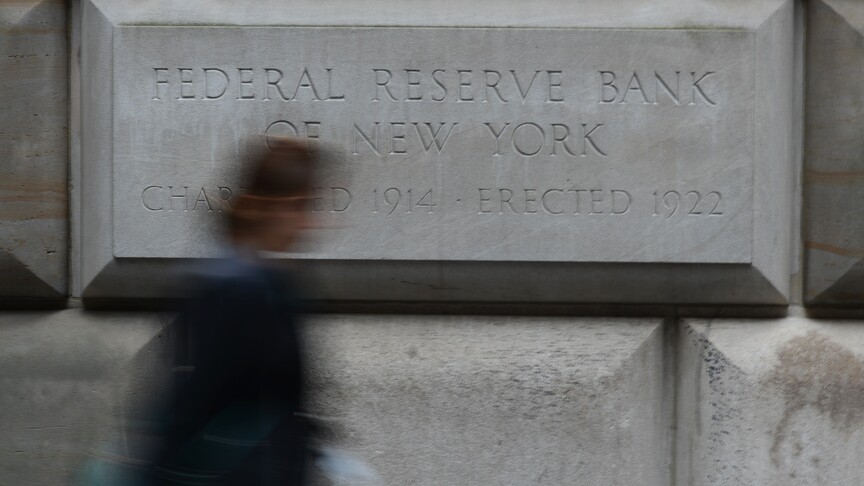
The US Federal Reserve, the European Central Bank (ECB) and the Bank of Japan (BoJ) will make monetary policy decisions this week in the face of inflation risks and the ongoing Middle East conflict.
While investors are monitoring persistently high energy prices and their impact on markets amid mounting concerns over the profitability of massive artificial intelligence (AI) investments, the three central banks will announce their policy decisions.
Energy costs rose even further due to risks of renewed escalation in the Middle East.
The rise in energy prices is expected to reignite inflation, prompting central banks to keep rates high for longer.
The Fed will make its monetary policy decision on Wednesday.
The bank has the influence to guide other central banks, so the steps taken and the guidance provided by Chair Kevin Warsh will determine the trajectory of global financial conditions.
The Fed raised its policy rate by 25 basis points last month to a range of 3.75%-4%.
Persistently high inflation in the US limited expectations of monetary easing and reinforced estimates that interest rates may remain high for longer. Analysts are also monitoring the possibility of further tightening and its potential impact on the US dollar and Treasury yields.
The ECB will announce its policy decision on Thursday, when the inflation trajectory in the eurozone, the economic growth outlook and the potential impact of rising energy prices on price stability will be the main topics.
The bank previously raised its three key policy rates by 25 basis points in September. It is expected to maintain rates at its upcoming meeting, but expectations of rate hikes at subsequent meetings remain high amid elevated oil prices and inflation risks.
Escalating protests in France continue to threaten public finances, intensifying selling pressure on French government bonds.
France’s 10-year bond yield rose to its highest level since 2002 at 5.07%, surpassing that of the US 10-year Treasury bond for the first time since 2013.
Germany’s Producer Price Index (PPI) rose 1.9% month-on-month and 6.7% on an annual basis in September, above estimates and faster than in August. The annual growth was the fastest since March 2023.
Meanwhile, the BoJ will decide its monetary policy on Friday following a decision to hike its policy rate to 1.25% last month.
Rising oil prices due to tensions in the Middle East fuel energy and inflation concerns, particularly affecting Asian economies that depend on energy imports.
Japan’s annual inflation reached 2.1% in September, in line with estimates, while its core inflation rose above 2% for the first time in nine months, supporting hawkish expectations.
While Japanese exports surged 16.7% on an annual basis in September, they fell short of estimates and slowed compared with August.
Strong demand for semiconductors and artificial intelligence (AI) products drove Japanese exports.
The BoJ is expected to maintain rates this week, but it may hike rates in December.
The outlook for inflation, wage growth and economic activity will shape the bank’s monetary policy.