Yasin Gungor
21 April 2026•Update: 21 April 2026
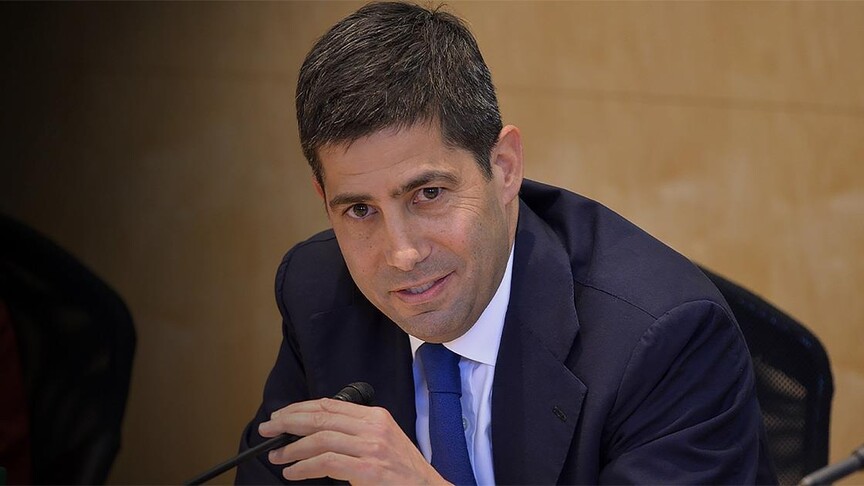
Federal Reserve Chair nominee Kevin Warsh urges a fundamental shift in the US central bank's operations during his Senate confirmation hearing Tuesday, citing a need to move past previous "policy errors."
“I think that means a regime change in the conduct of policy,” Warsh told lawmakers, arguing that a reform-oriented Fed could significantly benefit Americans. He asserted that the economy is still grappling with a legacy of mistakes from 2021 and 2022. "We need, in my judgment, fundamental policy reforms to fix it."
Warsh emphasized that while the rate of price increases has slowed, "hard-working Americans are no doubt feeling it." To address it, he proposed a new inflation framework and a different approach to utilizing the central bank’s financial instruments.
He suggested that the Fed should rely more on interest rate adjustments rather than balance sheet tools. He explained that interest rates are "fairer" because they affect the entire economy, whereas balance sheet tools tend to provide disproportionate help to those holding financial assets.
"We need a new framework, new tools, and I'd also say ... new communications," Warsh added.
Commitment to independence
Warsh told the committee that monetary policy will remain free from political interference if he is confirmed. “So, let me be very clear, monetary policy independence is essential,” he said, adding that decisions must result from "rigor deliberation and unclouded decision making."
He also said that he does not view it as a threat when elected officials express opinions on interest rates, asserting that "Fed independence is up to the Fed."
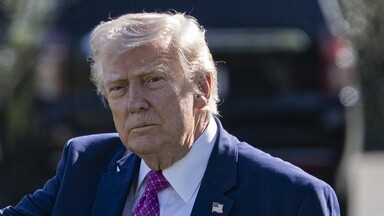
Addressing questions about his discussions with the US President Donald Trump, Warsh denied that he had made any promises to lower interest rates in exchange for the nomination. “The president never once asked me to commit to any particular interest rate decision, period,” he said, adding that he would never have agreed to the request if it had been made.
“I've heard his view on interest rates,” Warsh noted, characterizing Trump’s comments as “very similar” to those of every other president in recorded economic history.
Trump selected Warsh on Jan. 30 to replace Jerome Powell, following public disagreements about interest rate directions.