Mucahithan Avcioglu
19 August 2026•Update: 19 August 2026
- Fed discusses reducing annual policy meetings from 8 to 6, makes no decision
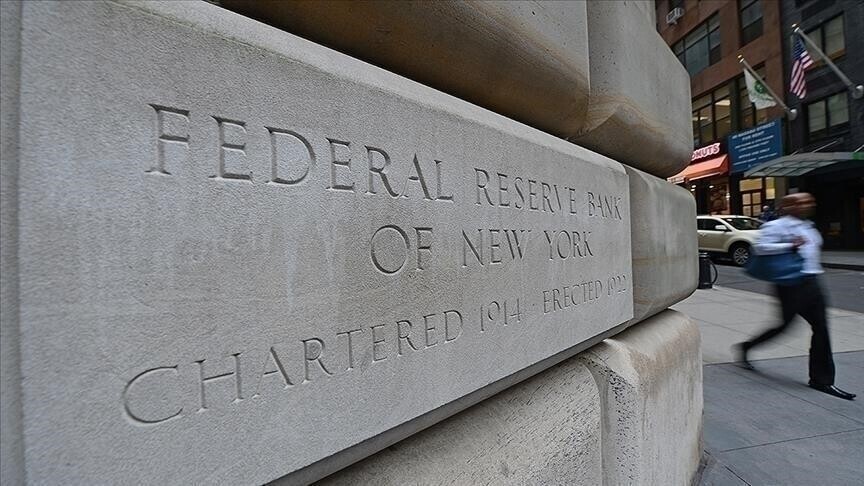
Minutes from the US central bank’s July meeting showed Wednesday that many Federal Reserve officials believe additional interest rate increases may be necessary if inflation fails to cool.
“Many participants assessed that policy tightening would likely be necessary if inflation did not decline,” according to the minutes of the Federal Open Market Committee’s (FOMC) July 28 - 29 meeting.
Some officials said financial conditions might not be restrictive enough to return inflation to the Fed’s 2% target.
The Fed voted 9-3 in July to maintain the federal funds rate within a range between 3.5% and 3.75%, where it has remained throughout the year.
Cleveland Fed President Beth Hammack, Dallas Fed President Lorie Logan and Minneapolis Fed President Neel Kashkari dissented, favoring a 25-basis-point increase.
The dissenters argued that an immediate rate hike could help prevent the need for a faster and potentially more economically costly tightening cycle later.
The minutes underscored continued concern by officials about price pressures despite signs of weakening in the labor market.
The personal consumption expenditures price index, the Fed’s preferred inflation measure, declined 0.1% month-on-month in June, but remained 3.7% higher annually -- well above the central bank’s target.
US nonfarm payrolls, meanwhile, fell by 23,000 in July, while the unemployment rate decreased to 4.1%, largely because of a shrinking labor force.
Financial markets expect the Fed to keep rates unchanged until December before delivering another increase. Traders had previously anticipated a hike in September.
The minutes also revealed that officials discussed reducing the number of annual FOMC meetings from eight to six.
Fed Chair Kevin Warsh said holding meetings roughly every two months could allow more economic data to accumulate between decisions and give policymakers additional time to consider broader monetary policy issues.
No decision was made, and Warsh said any change would not affect the remaining meeting schedule for 2026.