By Andrew Jay Rosenbaum
ANKARA
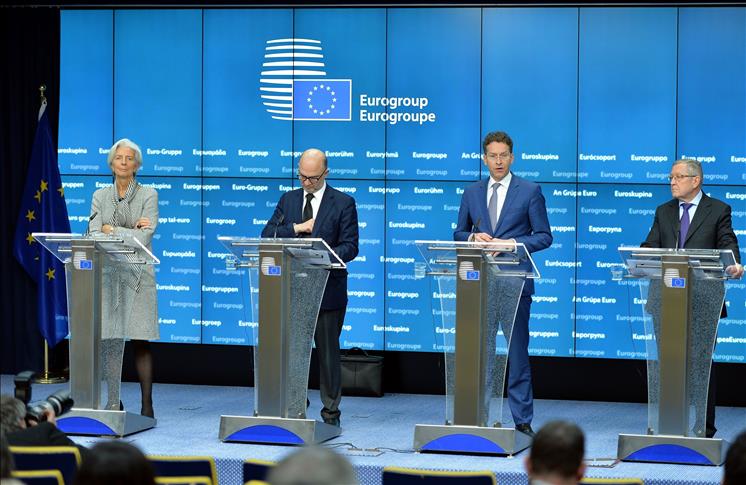
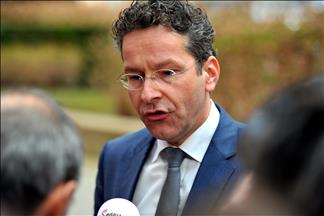
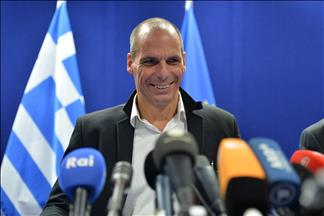
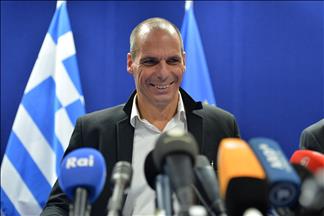
"It's all about trust," Jeroen Dijsselbloem, head of the Eurogroup, said in the press conference when he announced the agreement with the Greek government in Brussels on Friday.
But, for the moment, trust is not a noticeable element in the agreement, observers said.
The agreement avoids the economic turmoil that experts agreed would have ensued without one, and is expected to put an end to the run on Greek banks. Whether the agreement will work in the long term remains a fraught question, as even the Eurogroup chiefs themselves made clear.
"If we can reach agreement, this program will expire after the four month extension," explained Pierre Moscovici, "so we have a lot of work to do."
The agreement to extend the bailout and provide liquidity for the Greek banking system will demand considerable efforts at economic reform by the Greek leftist government, which had previously rejected any reform program.
The Eurogroup will review Greek reform proposals, which must be delivered on Monday, and decide if they are satisfactory. If they are satisfied, they will rule on a more detailed list of reforms to be delivered by April.
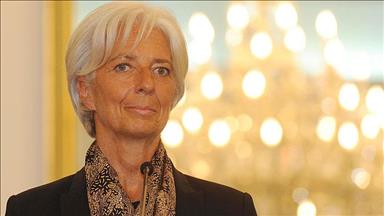
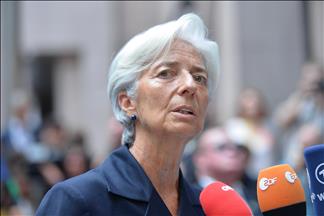
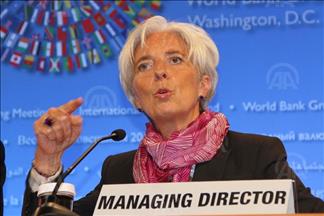
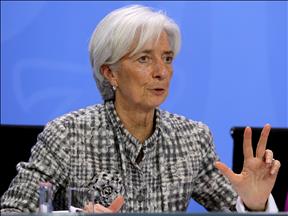
"We can finally go to work and we all have to work closely together," insisted IMF managing director Christine Lagarde. "That is how we will build trust."
The Greek government will, however, be able to fix priorities for economic reforms.
"The Greek government will be able to implement the kind of social programs that it finds important, so long as it is in agreement with our review process," Dijsselbloem said.
The agreement puts considerable onus on the Greek government to win approval from the Eurogroup.
The Greek government must engage in a broader and deeper structural reform process and must refrain from any rollback of measures impacting financial stability. Greece has also made an unequivocal commitment to honor obligations to creditors.
The creditors, for their part, will take economic circumstances into account in their evaluation and will start the extension process.
The Greek government must successfully complete the so-called "review process," in which the creditors satisfy themselves that sufficient economic reforms are being made -- Greece was due to complete that process just before the early elections in January changed the ruling party in the country. This process must be completed by April.
The deal also obliges Greece to maintain a budget surplus -- the amount of the surplus has not yet been determined, but the measure puts the Greek government under severe fiscal discipline. The deal also involves the taking back by the creditors of €10.9 billion ($12.4 billion) that Greece had at its disposition for bank rescues. These funds will now be administered by Eurozone authorities.
When all of the conditions are met, and the reform process is underway to the satisfaction of the Eurogroup, bailout funds will be disbursed. No date is set for this as it depends entirely on satisfaction with the progress of reform.
As one journalist at the press conference noted, there seems to be a lot of trust-building required under the agreement. Greece's response to the demands it must fulfill on Monday will tell a great deal about whether the agreement is going to work.