12 April 2016•Update: 20 April 2016
NEW YORK
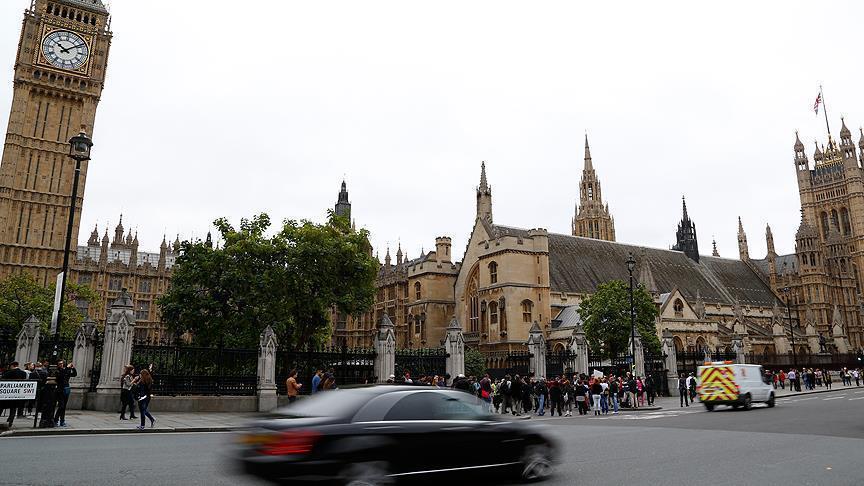
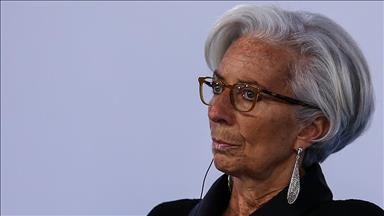
A British exit from the EU could seriously damage to the global economy, the International Monetary Fund (IMF) said Tuesday.
In its World Economic Outlook, the IMF said: “A ‘Brexit’ could do severe regional and global damage by disrupting established trading relationships."
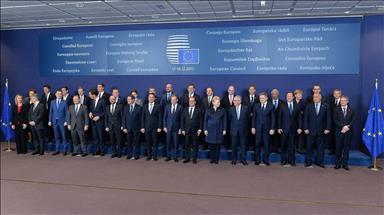
The biannual report said that if the U.K. were to leave the 28-nation bloc it would “likely disrupt and reduce mutual trade and financial flows”. It added that the campaign for a referendum to be held on June 23 on Britain’s continued membership had “already created uncertainty for investors.”
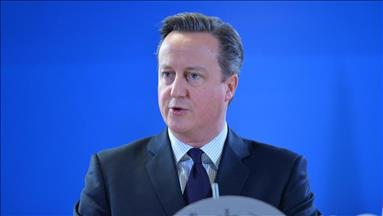
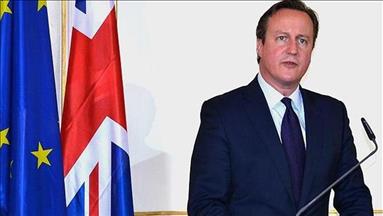
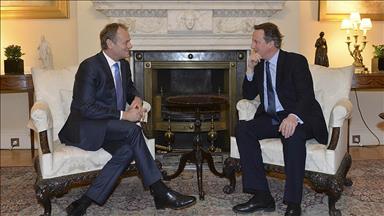
Prime Minister David Cameron, who is leading the campaign for Britain to remain in the EU, welcomed the report.
In a Twitter post, he said: “The IMF is right - leaving the EU would pose major risks for the UK economy. We are stronger, safer and better off in the European Union.”
Matthew Elliott, chief executive of the pro-Brexit group Vote Leave, said the IMF’s previous forecasts for the U.K. economy had been wrong.
“The IMF has talked down the British economy in the past and now it is doing it again at the request of our own chancellor,” he said in a statement that referred to Chancellor George Osborne, who also favors remaining in the union. “It was wrong then and it is wrong now.”
The Washington-based IMF lowered its forecast of global economic growth to 3.2 percent for the year, down from a January outlook of 3.4 percent. The 2017 growth projection was also trimmed to 3.5 percent from 3.6 percent.
“Global recovery continues but at an ever-slowing and increasingly fragile pace,” the report said, pointing to “continuing headwinds for emerging market economies and lower-income countries”.
It warned of significant risks to the global economy, which remained vulnerable to “renewed financial turbulence”.
Turkey’s growth projection was raised to 3.8 percent for the year, up from 3.2 percent in a February report, but the growth forecast for 2017 was lowered to 3.4 percent, down from 3.6 percent.
The IMF said that Turkey’s inflation for 2016 was projected at 9.8 percent, almost 5 percentage points above target.