14 January 2016•Update: 17 January 2016
By Furkan Naci Top
ANKARA
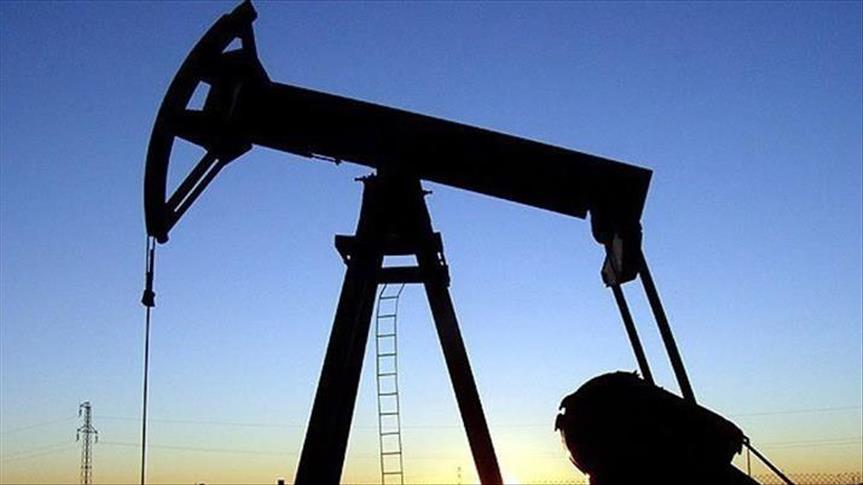
Despite the widening budget gaps due to low oil prices, Saudi Arabia still has the wherewithal to continue the oil market share fight, experts said.
OPEC’s king pin, which has been at the center of oil price discussions when it repeatedly decided to not cut production in order to lift prices, still has large financial reserves, some $640 billion, according to Robert Manning, a senior energy expert at the Atlantic Council.
“I think the Saudi view is that their strategy is working and they can afford to pay the price for a bit longer,” said Manning, based on the declining number of U.S oil rigs and reduction in investment in the sector.
Oil prices dived under $30 per barrel due to the slowdown in China's economy and with Iran's anticipated additional supplies in the already oversupplied market once sanction are removed.
Although Manning considers that oil prices will see a $50-$60 level in early 2017, he says it may not go above $60-$80 level again due to the shift in energy consumption and a slower China.
The oil-dependent monarchy felt damage deeply when its 2015 budget had a deficit of $98 billion. Its provisional 2016 budget, despite deep cuts in military and infrastructure spending, suggests an $87 billion deficit, according to the country's official data.
The International Monetary Fund (IMF) suggested in its October regional report that Saudis could run out of financial assets in five years’ time under the current conditions.
"Today they have enough space to save and they have a fairly unrestricted capacity to borrow," said Carole Nakhle, director of Crystol Energy.
The new circumstances lead Saudi Arabia to new reforms in its economy and in diversifying its industry.
According to Manning, the monarchy has already started doing that, mainly increasing investment in areas including solar energy, mining, petrochemicals, tourism, finance, construction and the health industry.
“Economic reforms are much needed; the intention is there but the implementation will be more challenging,” Nakhle said.
The reforms might face challenge from traditionalists in the royal family, Manning states.
Deputy Crown Prince Mohammed bin Salman last week announced that the monarchy is considering making an Initial Public Offering (IPO) of state-owned oil giant Aramco, in an interview with the Economist.
Manning also said in order to close the budget gap, the country crucially needs consumption and value added taxation along with the implementation of higher taxes and lower subsidies.
The Saudi prince also declared such moves are at the planning stage with the proposal of implementing a 5 percent value added tax. Gasoline prices in the country were raised 50 percent in the last few days of 2015 from $0.16 per liter to $0.24 per liter, although it still remains one of the cheapest fuel prices globally.