ANKARA/MOSCOW
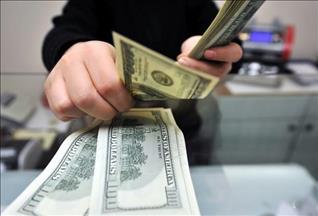
As markets braced for first rate hikes from the U.S. Fed, the negative sentiment from the sharp decline in Russian Ruble pushed the value of Turkish lira against the U.S. dollar to its historic low Tuesday.
The growing anticipation that the Fed will hike interest rates sooner than expected, because of a strengthening economy, drove currencies of emerging markets, including the Turkish lira, to low levels.
The rate hikes are a matter of concern for all emerging economies since it is expected to cause a profound capital outflow from those markets and challenge Turkey, where private and public sector short term debt currently stands at $130.7 billion
Moreover, the unstoppable slide of the Russian ruble against the U.S. dollar, despite a sharp rate increase by the Russian Central Bank, drove emerging markets’ currencies, including the Turkish lira, to fresh lows.
The Turkish lira started the day at 2.3429 per dollar and rose to 2.4126 at 1200GMT -- almost 3 percent as panic stemmed by the slide of the Russian ruble spread in emerging markets, despite the 650-base point rate hike from the Russian Central Bank.
Meanwhile, the Turkish lira against euro exchange rate started the day at 2.9203 and soared to 3.0191 at 1200GMT -- a 3 percent increase.
After the U.S. dollar reached a historic high against the Turkish lira, the Central Bank of Turkey intervened rapidly -- at 1205GMT -- assuring foreign exchange demands of importing energy state companies would be directly supplied by the Bank.
Following this announcement, the lira per dollar rate eased off to 2.3569 at 1420GMT while the lira per euro rate declined to 2.9554.
However, the Central Bank’s move fell short of easing Borsa Istanbul -- Turkey’s sole exchange entity -- investors as the index declined almost 5 percent at 1500GMT, from 82.444,48 points to 78.939,61 points.
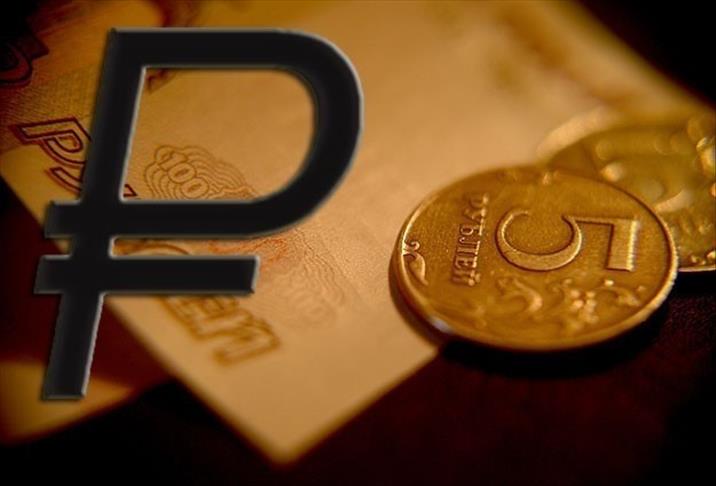
The Russian ruble is in a critical phase of decline and the Russian economy is in crisis as a result.
On Dec. 11, the Russian central bank raised interest rates to 10.5 percent, in an attempt to prop up the falling currency. On Tuesday, less than a week later, those rates were increased to 17 percent, The rate hike to 17 percent represents the largest increase in Russia's interest rates since 1998, when the Russian financial system fell apart, and the government defaulted on its debts, a move that head to hyperinflation.
The ruble has lost over 50 percent of its value against the dollar in 2014, largely due to the combined effects of falling oil prices, capital flight, and international sanctions against Russia for its alleged involvement in the conflict in Ukraine.
The most immediate effect of the ruble's nose dive is inflation, which the central bank expects to exceed 10 percent early next year.
The Russian government has also been forced to make drastic spending cuts of 10 percent in its current budget. This is due in part to the fact that the 2015 budget was based on the price of oil being close to $100 or more per barrel.
Now that price of oil has fallen to just over $59 a barrel, the government is forced to drop important programs from its budget spend, including its space program and projects for transportation.
Stagnant GDP growth is another serious problem facing Russia at the moment, with growth in 2014 estimated to be a flat 0.6 percent. That is expected to shrink to almost zero in the next year, and to remain flat possibly until 2016 or later.
Russia's economic woes began with massive capital flight in 2013 and early 2014. These problems were exacerbated by sanctions imposed by the West after the Russian annexation of the Crimean peninsula from Ukraine in March, and Russia's alleged involvement in the conflict in that country.
All of these occurred as oil prices declined steadily, and this meant a severe reduction of revenue for a country which depends largely on oil for income.
www.aa.com.tr/en