Burhan Sansarlioglu and Emir Yildirim
23 July 2026•Update: 23 July 2026
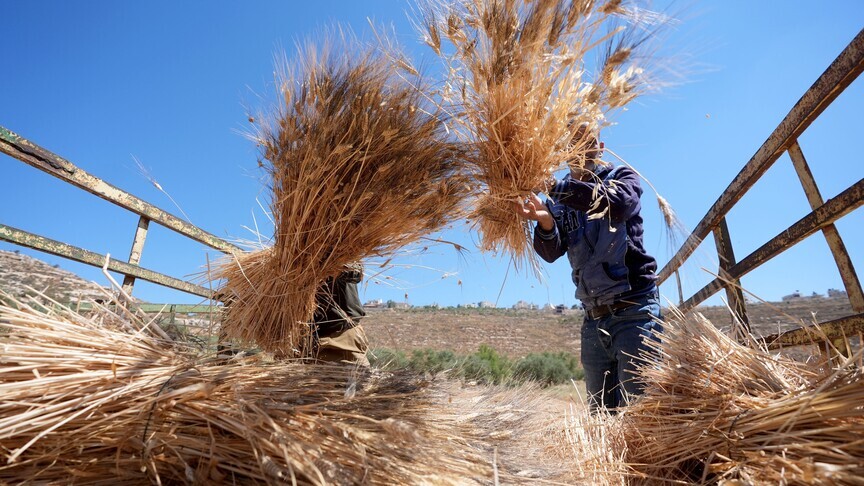
Global wheat prices surged to $7.0850 per bushel on Thursday, their highest level in two years.
The broader grain market has been driven higher by geopolitical risks, weather concerns in the US, and escalating tensions between Russia and Ukraine.
Supply and production disruption expectations are driving the surge in wheat markets.
Russia’s access restrictions at its ports on the Sea of Azov and in the Caucasus due to Ukraine’s attacks on port infrastructure threaten grain flows through the Black Sea.
Russia’s wheat harvest forecast for the 2026/27 season has been downwardly revised due to declining yields and shrinking planting areas in the southern regions.
Russia and Ukraine are two of the world’s largest grain exporters, so any disruptions in their exports significantly determine commodity prices and food inflation expectations.
Drought in key US agricultural regions reduced wheat planting areas to historic lows, leading to a rise in prices.
The rise in fertilizer costs amid the US-Israel-Iran war due to logistical issues in the Strait of Hormuz also contributed to the rise in wheat prices.
The soft wheat harvest in France is expected to decline due to European heat waves.
Meanwhile, El Nino is leading to a drier climate with less rainfall in Australia, fueling concerns over the harvest as the country is one of the major wheat producers.
Wheat surged as high as $7.0850 per bushel on Thursday before settling around $7.03 on the Chicago Mercantile Exchange.
In May 2024, wheat rose as high as $7.2 per bushel, up 38% compared to end-2025.
Dennis Voznesenski, agricultural economist at Australia-based Commonwealth Bank, told Anadolu that disruptions to export capacity in the Black Sea drove the surge in global wheat prices, especially with Russia’s export capacity in the Sea of Azov restricted and Ukraine’s main Black Sea ports damaged.
He noted that risks related to the potential closing of the Strait of Hormuz once again worsened the impact already caused by the Russia-Ukraine war, leading to concerns over fertilizer supplies.
He added that the wheat’s protein content, yield, and cultivation areas could also be potentially impacted on a global scale in the future.