The Mediterranean region is warming 20% faster than the global average, threatening marine ecosystems and increasing the risks of extreme weather events, a regional official warned.
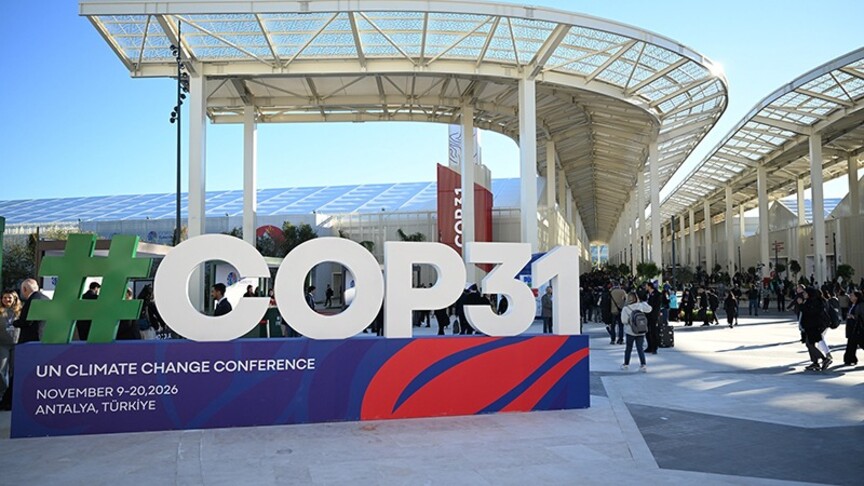
Speaking to Anadolu on the sidelines of the COP31 climate conference in Antalya, Union for the Mediterranean (UfM) Deputy Secretary-General Joan Borrell called for stronger regional cooperation to tackle climate change.
Borrell said the organization promotes cooperation among Mediterranean countries on climate action, water, energy and environmental issues.
Highlighting the threats facing the region, he said the Mediterranean's reputation as a popular tourist destination often obscures its growing vulnerability to climate change.
"The Mediterranean region is a tourist destination for many people.
"So people tend to think that the Mediterranean is a very nice region, which it is, but it's a region that is in danger, in danger because of climate change," he said.
Borrell warned that rising sea temperatures threaten marine biodiversity, stressing the Mediterranean Sea's importance to the region's social, cultural and demographic survival.
He also pointed to increasingly severe weather events, including devastating summer wildfires and autumn flash floods.
"Our region is warming 20% faster than the global average," he said.
'Mediterranean COP'
Borrell described COP31 as an opportunity to raise global awareness of the Mediterranean's vulnerability to climate change.
He said the conference's motto, From Dialogue to Action Through Consensus, emphasized the need to translate discussions into concrete measures.
"With the Union for the Mediterranean and Türkiye as host country and as president of the COP, we wanted to make this COP also a Mediterranean COP, so that we raise awareness to Mediterranean, but at the global stage, that our region is particularly at risk," he said.
Borrell noted that Antalya's location on the Mediterranean coast made it the first Mediterranean coastal city to host the UN climate conference.
He said the UfM and Türkiye's COP presidency had worked together for eight months through the Antalya-Mediterranean Dialogues, conducting national consultations in seven Mediterranean countries.
The consultations aimed to develop a shared regional climate agenda, he added.
A ministerial roundtable on Mediterranean climate issues is scheduled for Nov. 17 in Antalya.
Borrell also highlighted the Mediterranean Pavilion at COP31, which is hosting more than 60 events and panel discussions involving stakeholders working on regional climate action.
Call for stronger regional cooperation
Borrell stressed that Mediterranean countries must cooperate to address climate change and benefit from renewable energy technologies.
"The only way to tackle climate change is through a cooperative approach. Technology is there, the funding is there, the needs are there, the social, economic needs from the countries are there, and we have the tools. We just need to learn to cooperate together," he said.
He pointed to solar and wind power as major opportunities, comparing the energy transition to the Industrial and Neolithic revolutions.
However, Borrell said countries needed to develop cross-border electricity connections and share renewable energy resources, given the difficulties of storing renewable electricity at scale.
He urged governments to overcome bilateral disputes and adopt a regional approach, noting that the UfM provides a platform for cooperation.
'Win-win approaches'
Borrell also warned that divisions between developed northern Mediterranean countries and less wealthy southern countries could undermine climate negotiations.
"The approach based on the legitimate differences between northern countries, northern, developed, richer countries, and the in-development, southern, less rich countries ... will lead us to conflict," he said.
He cautioned that such divisions could prevent consensus and delay climate action.
"If we go for this approach, we will not have a result. I mean, we will not reach consensus, and therefore we will not be able to have action. We will have endless dialogue between north and south," he said.
Borrell stressed that both sides had legitimate concerns but needed to move beyond traditional North-South divisions.
He cited Türkiye as a country connecting different regional identities and perspectives, saying cooperation should focus on mutually beneficial solutions.
"Consensus needs to be built in win-win approaches for both northern and southern countries. This will be my message to the parties," he said, urging governments to look beyond national interests and "think globally."