Elena Teslova
20 October 2026•Update: 20 October 2026
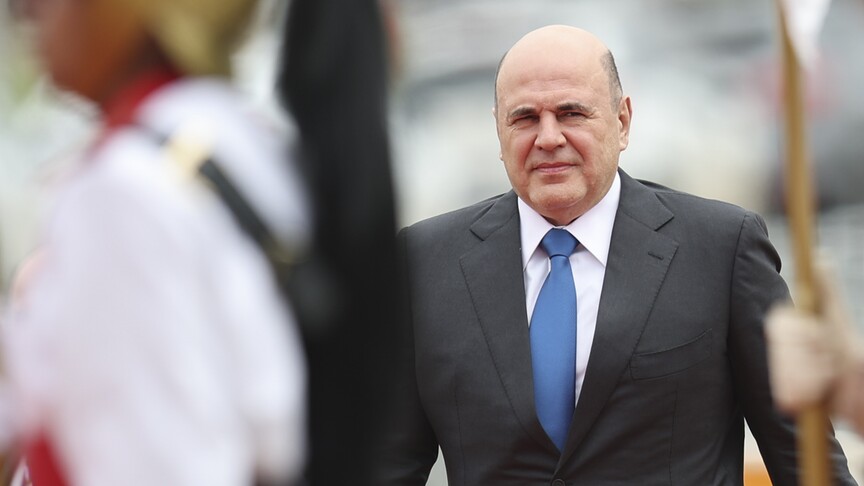
Russian Prime Minister Mikhail Mishustin proposed the establishment of a working group on the space economy within the Shanghai Cooperation Organization (SCO) on Tuesday and called for expanded cooperation among member states in artificial intelligence.
Speaking at a meeting of the SCO Council of Heads of Government in Dushanbe, Tajikistan, Mishustin said the proposed group could operate within the framework of meetings of SCO ministers responsible for foreign economic affairs.
“We hope our partners will support this initiative,” he said.
Mishustin also proposed instructing relevant agencies to work together on initiatives put forward by SCO member states to expand cooperation in artificial intelligence, saying this would strengthen technological sovereignty and improve the competitiveness of their economies.
He said Russia was developing its own large language models, expanding computing capacity and increasing the use of AI in the economy, public administration and social services.
The heads of government approved an action plan to implement the SCO’s multilateral trade and economic cooperation program, Mishustin said.
The plan is intended to facilitate export and import procedures, increase the share of higher-value-added goods and expand cooperation in industry, energy, agriculture, finance and banking.
He called for the SCO Business Council, Interbank Consortium and Forum of Heads of Regions to play a more active role in these efforts.
Tajik Prime Minister Kokhir Rasulzoda, who chaired the meeting, said SCO member states accounted for more than 70% of Tajikistan’s foreign trade. Mutual trade reached $6.3 billion in the first eight months of this year, up 32% from the same period in 2025, he said.
However, direct investment from SCO member states into Tajikistan amounted to just over $350 million in 2025, Rasulzoda said, describing the gap between trade growth and investment as evidence of substantial untapped potential.
He called for greater efforts to attract capital, launch joint projects and develop production infrastructure.
Tajikistan had maintained average annual economic growth of around 8% in recent years, supported by measures to ensure macroeconomic stability, accelerate industrialization and improve the investment climate, he said.
Rasulzoda said Tajikistan was ready to offer SCO partners broad opportunities for mutually beneficial cooperation.