Melike Pala
19 October 2026•Update: 19 October 2026
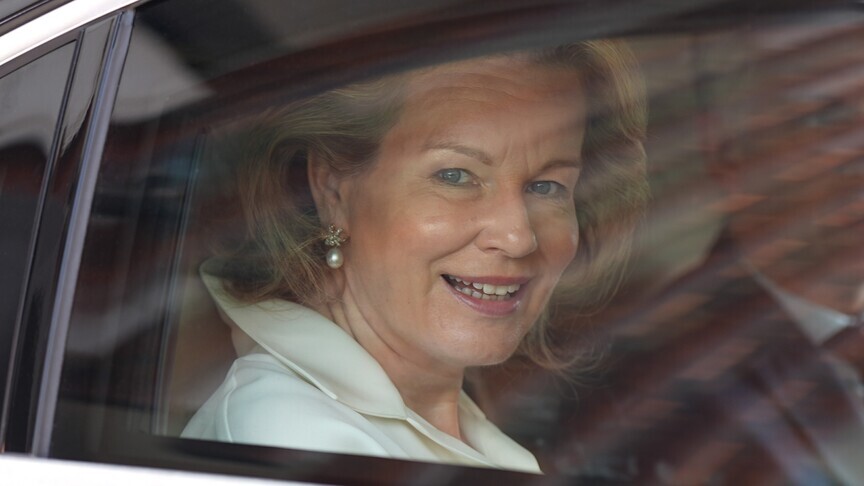
Queen Mathilde of Belgium, her daughter Crown Princess Elisabeth and several other prominent Belgian women have become targets of sexually explicit images generated by artificial intelligence (AI), renewing concerns over the growing spread of non-consensual deepfake pornography.
The fabricated images, which depict the women naked, have been circulating on social media platforms in recent days, the Belgian newspaper Le Soir reported on Monday.
The victims reportedly also include wives of politicians and government officials, as well as prominent female politicians.
According to an investigation by several Belgian news outlets, Flemish Vice-Minister-President Melissa Depraetere and former Belgian Defense Minister Ludivine Dedonder were among those targeted.
"As disgusting as it is, very little surprises me anymore," Depraetere said, adding that people needed to understand that the creation and distribution of such images was unacceptable and could destroy lives.
Dedonder announced that she intended to file a legal complaint over the fabricated images.
The Belgian Royal Palace also confirmed that action had been taken to have the images depicting the queen and the crown princess removed from the internet.
The controversy has once again drawn attention to AI-generated or manipulated images that make real people appear naked or engaged in sexual activity without their consent.
Civil society organisations and digital rights advocates have repeatedly warned that AI-generated sexual abuse disproportionately affects women and girls, with consequences extending beyond individual privacy violations.
The European Union prepares to introduce stricter measures against AI applications that generate non-consensual intimate images.
Under amendments to the EU Artificial Intelligence Act, AI systems designed to generate or manipulate realistic intimate images of identifiable people without their explicit consent are set to be prohibited.
Italian Prime Minister Giorgia Meloni has also become a prominent example of the risks posed by manipulated images and videos.
In 2024, Meloni sought 100,000 euros in damages in a case involving two men accused of producing and distributing pornographic deepfake videos featuring her face.
She also initiated a process to trademark her voice through the European Union Intellectual Property Office in an effort to protect her identity against AI-generated impersonations.