Melike Pala
27 May 2026•Update: 27 May 2026
Belgium has cautioned that its strained public finances leave limited room for increased contributions to the EU's next long-term budget, as negotiations reveal deep divisions among member states over the bloc's spending priorities.
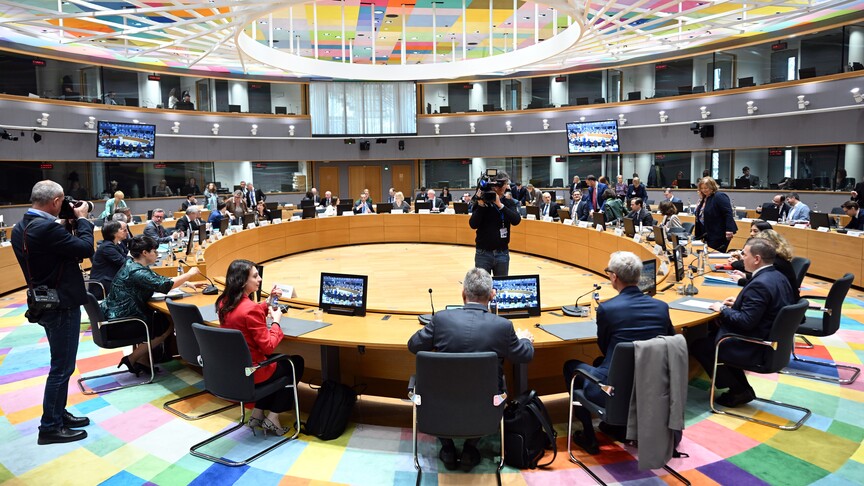
EU affairs ministers met in Brussels on Tuesday ahead of formal talks on the EU's 2028-2034 Multiannual Financial Framework, with discussions expected to intensify at the European Council summit in June.
Last year, the European Commission proposed a €2 trillion ($2.3 trillion) budget, equal to around 1.26% of the EU's gross national income, which would significantly increase national contributions, including a 56% rise for Belgium.
Belgian Foreign Minister Maxime Prevot reiterated concerns over fiscal constraints, saying there is limited space for a substantial increase, Belga news agency reported on Wednesday.
He met counterparts from Sweden, Denmark, Finland, Germany, the Netherlands, France, Austria, and Ireland in a group of net contributing countries.
Following the meeting, Swedish EU Affairs Minister Jessica Rosencrantz said the group agreed there was "little room for increased contributions," while calling for a "modernization" of the EU budget with greater focus on competitiveness, defense, and security.
Prevot said Belgium sees itself as "more innovators than frugal," but stressed that agriculture and cohesion funding must remain "substantial, guaranteed and protected."
Separately, 16 mainly southern and eastern EU member states, including Italy, Spain, and Poland, urged a more "ambitious" budget, calling for stronger support for agriculture and cohesion policies.
The group also proposed slower repayment of EU pandemic recovery debt and the abolition of rebates for wealthier member states.
Member states remain split on financing options, including potential new EU-level taxes or joint borrowing, which some countries support while others, including Germany and Belgium, oppose.
European Council President Antonio Costa hopes an agreement can be reached by the end of the year, after which the budget will require approval from the European Parliament.