Melike Pala
18 May 2026•Update: 18 May 2026
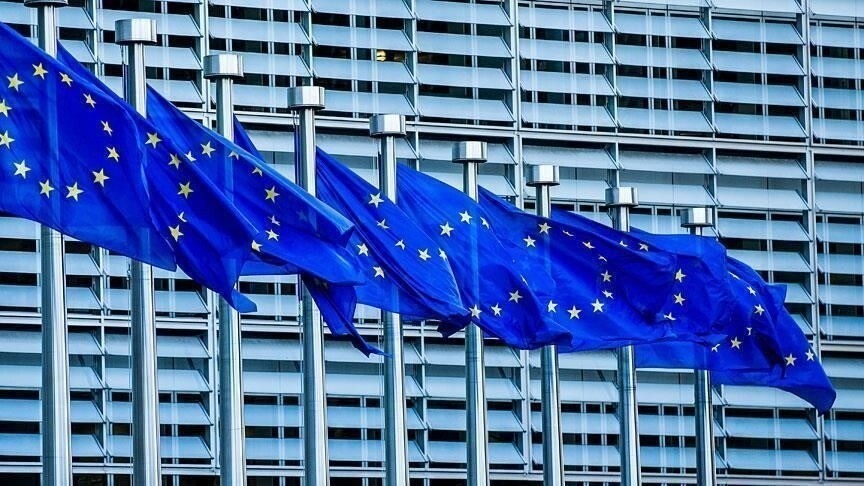
The European Union on Monday renewed restrictive measures targeting individuals and entities linked to Syria's former Bashar Assad regime for another year, while removing several institutions from its sanctions list as part of efforts to support the country's transition.
The EU Council said in a statement that the sanctions would remain in force until June 1, 2027, following its annual review of measures imposed on figures associated with the former regime of Assad.
The bloc also removed seven entities from its sanctions list, including Syria's defense and interior ministries, in a move aimed at strengthening EU engagement with Damascus and supporting the country's post-conflict transition.
The decision follows a broader shift in EU policy toward Syria after the fall of the Assad government.
In May 2025, the EU lifted all economic sanctions on Syria to support what it described as a peaceful and inclusive political transition, economic recovery, and reconstruction efforts.
However, Brussels maintained targeted sanctions against individuals and entities linked to the former regime, along with measures tied to security concerns.
The EU Council said networks connected to the former Assad regime continue to retain influence and could undermine Syria's transition process, national reconciliation efforts, and accountability measures.
Those under sanctions remain subject to asset freezes, while EU citizens and companies are prohibited from providing them with funds.
Individuals listed under the sanctions regime also face travel bans preventing entry into or transit through EU members.
The EU first imposed sanctions on Syria in 2011 in response to the Assad government's violent crackdown on civilians during anti-government protests.
Following the regime's collapse, the EU Council eased a number of restrictions in February 2025 to facilitate engagement with Syria and support its population and business sector.
On May 20, 2025, the EU announced a political decision to lift all economic sanctions not linked to security concerns, describing the move as a "historic step" toward supporting Syria's post-Assad recovery.
Earlier this month, the bloc also restored the full application of the EU-Syria Cooperation Agreement, which had been partially suspended in 2011 over human rights concerns.
In December 2024, Assad, who ruled Syria for nearly 25 years, fled to Russia, bringing an end to the Baath Party's decades of rule that began in 1963. A transitional administration led by Ahmad al-Sharaa was formed in January 2025.