Aysu Bicer
16 July 2026•Update: 16 July 2026
France’s Catholic bishops have expressed concern after lawmakers approved a new law establishing a legal right to assisted dying, saying the legislation marks a major change in the country’s approach to healthcare and end-of-life care.
France's lower house of parliament officially approved a landmark assisted dying bill on July 15, allowing terminally ill adults to receive and self-administer lethal medication.
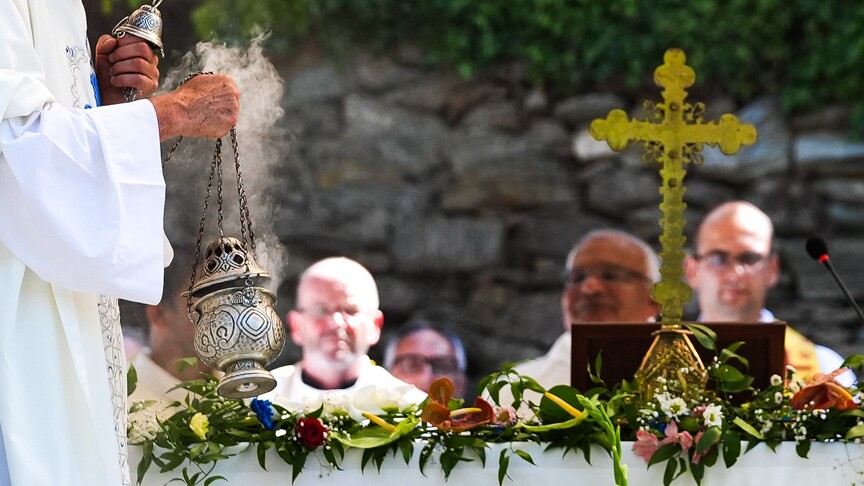
The Catholic Church in France opposed the law throughout the process, arguing that one person should not intentionally cause the death of another, according to a report by Vatican News.
The French Bishops’ Conference said it regretted what it called a decision that breaks with a long tradition of medicine focused on relieving suffering and accompanying people until the natural end of life.
However, the bishops said the debate was not over and that they were considering legal options to protect Catholic healthcare institutions affected by the new rules.
Bishop Mathieu Rouge of Nanterre, the bishops’ conference spokesperson on end-of-life issues, criticized the lack of an institutional conscience clause in the law.
While doctors are allowed to refuse involvement on grounds of conscience, he said healthcare organizations with religious or ethical objections may still be required to allow assisted dying on their premises.
“It is not simply a matter of an individual conscience clause,” Bishop Rouge told Vatican News. “What is needed is an institutional conscience clause—a legal protection for healthcare institutions themselves.”
He said Catholic-run facilities, including those managed by religious communities, were concerned about being forced to carry out practices that conflict with their mission and ethical principles.
The bishops also warned that the long-term consequences of the law remain uncertain, including its impact on society’s treatment of vulnerable people, the elderly and those living with illness or disability.
But Bishop Rouge said the Church’s response should go beyond opposition to the legislation. “The Christian response to a law such as this cannot consist merely of moral condemnation,” he said, calling instead for greater support for people facing loneliness, poverty and suffering.
Pope Leo XIV is expected to address the issue during his planned visit to France in two months. Bishop Rouge said he believed the pope would encourage Christians to support vulnerable people while reaffirming the Church’s opposition to euthanasia.