Seyma Erkul Dayanc
09 November 2026•Update: 09 November 2026
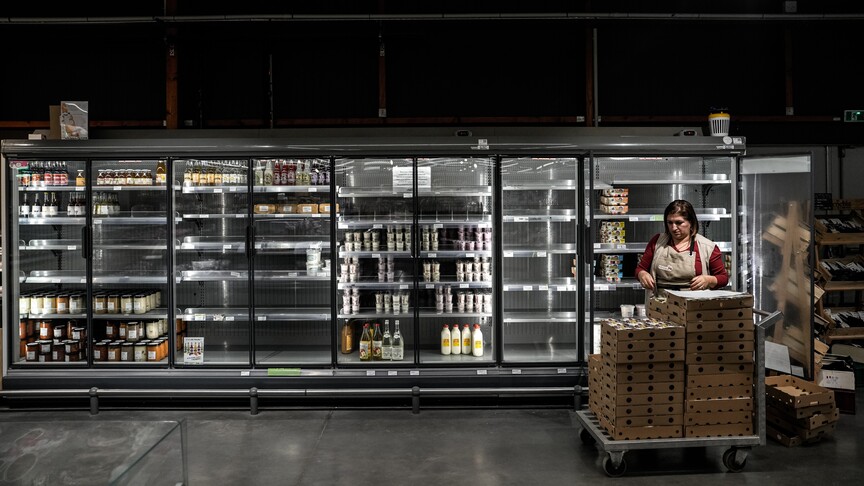
French intelligence services are blaming an October cyberattack targeting supermarket refrigeration systems on Iran's Islamic Revolutionary Guard Corps (IRGC), French daily Le Figaro reported Monday.
Citing a source close to the case, the newspaper said French intelligence services attributed the attack to the IRGC’s cyber unit.
Paris prosecutors opened an investigation into the head of the Iranian Shahid Kaveh group, a cyber offensive unit affiliated with the IRGC's Electronic and Cyber Center.
The investigation also targets two of the group's deputy leaders and other individuals who may be identified.
"The Paris prosecutor's office is requesting the issuance of international arrest warrants," the office said in a statement.
- Iranian ambassador to be summoned
France is set to summon Iran’s ambassador to express its "strongest condemnation" of the cyberattacks, said a Foreign Ministry spokesman.
"France strongly condemns the unacceptable cyberattacks carried out on its territory by the Islamic Republic of Iran against its interests," said Foreign Ministry spokesperson Pascal Confavreux on US social media company X.
He said the attacks caused "considerable" material damage and food losses, calling them a "major assault" on France's interests and public security.
"These destructive cyberattacks are unjustifiable and inexcusable, and violate international law. They also run counter to the principles of the United Nations framework for responsible state behavior in cyberspace, to which the Islamic Republic of Iran has subscribed," he added.
He said France would propose that its European partners take new sanctions against Iranian entities and individuals involved in the cyberattack, "as well as in other malicious cyber activities."
"France reserves the right to take any additional measures, whether public or undisclosed, deemed necessary and proportionate to respond to these cyberattacks," he said.
Other European countries, including the UK, Germany, Italy, Portugal and the Netherlands, have also recently faced cyberattacks targeting refrigeration facilities.