11 December 2016•Update: 12 December 2016
By Magda Panoutsopoulou
ATHENS
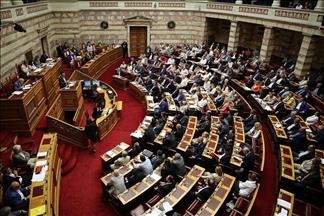
The Syriza-Anel coalition government managed to narrowly pass a 2017 budget Saturday with 152 votes in parliament.
Independent deputies joined opposition lawmakers to garner 146 votes against the budget. Two deputies were absent.
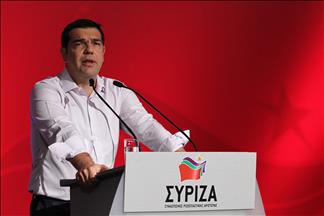
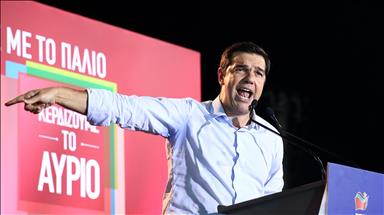
Prime Minister Alexis Tsipras addressed lawmakers before a debate on the bill.
He said the economy stabilized in 2016 and growth rates have returned, stressing that “the 1.75 primary surplus targets for 2017 will not only be met, but it will reach 2 percent”.
He accused the former government of causing the crisis and promised to complete his term.
“The Greek people trusted us to take the country out of the crisis that you have caused; it gave us a four-year mandate that we will see through,” he said.
The new budget reflects optimism, growth and recovery, according to Tsipras, who added that unemployment was reduced from 27 percent to 23 percent and is expected to fall even further. He also said 300 million euros would be allocated for health and education.
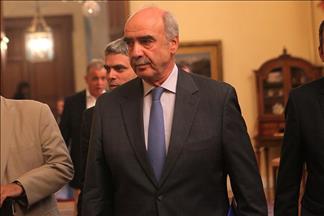
Kyriakos Mitsotakis, leader of the opposition New Democracy party, lashed out at Tsipras. “The decline of the country in the last two years is unprecedented, No other government has caused so much damage to the country,” he said. “The two parties, Syriza and Anel, have boosted extreme demagogy, undermined every attempt of reviving the country and turned growth into recession."
He added that the government has no plan, other than to impose 2.6 billion euros in new taxes.
The government has failed to meet promised targets cited by the prime minister, including abolishing austerity and reducing the debt.
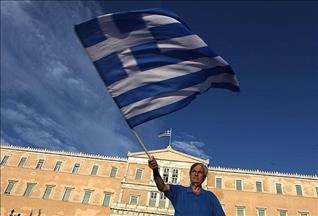
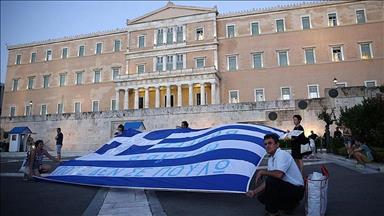
Greece’s two main public and private sector labor unions earlier this week rallied in Athens against the unpopular new taxes.
Tsipras’ Syriza won a stunning victory in January 2015 on a platform of defying austerity impositions by the European Union and renegotiating Greece’s humungous debt.
He resigned seven months later in August after he was forced by EU leaders to sign a deal with harsher terms than the ones his party vowed to fight against when it came to power.
In September last year, Syriza won a surprising second term in the snap election despite the turbulent experience of the first.