Seyit Kurt
03 August 2026•Update: 03 August 2026
Kosovo authorities have identified a second suspected wartime mass grave site in the northern municipality of Zubin Potok, days after excavation work began at another nearby location believed to contain the remains of victims of the 1998-1999 Kosovo war.
The Kosovo Special Prosecution said investigators identified a new suspected site in the village of Jabuke on Sunday, where human remains are believed to be buried, according to local media.
Prosecutors said they will seek court authorization to carry out exhumation and forensic examinations before excavation begins.
Acting President Albulena Haxhiu said Sunday that suspicions surrounding a second mass grave were "a grave reminder" of crimes committed during the war and showed that justice had yet to be fully served.
"Every discovered grave is a step toward the truth, but also evidence that the wounds of war remain open until the last missing person is found and those responsible are brought to justice," she said in a post on US social media company Facebook.
In a separate post on X, Haxhiu accused Serbia of continuing to conceal information about missing persons, intimidate witnesses and obstruct justice, urging international partners to condemn such actions.
Serbia has not publicly commented on the identification of the second suspected site. Last week, however, Belgrade's Office for Kosovo condemned the arrest of two Kosovo Serbs linked to the investigation, calling it an act of "terrorism, revenge and intimidation" against the Serbian community.
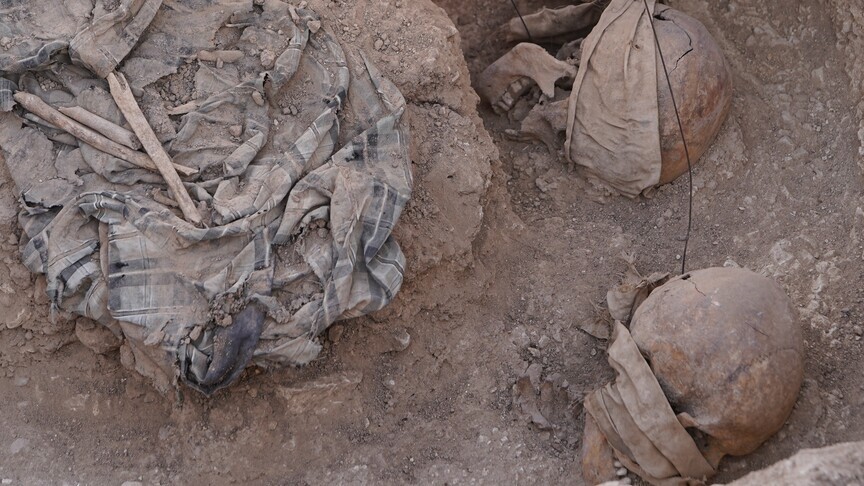
Excavations began on July 28 in the village of Kalluder in Zubin Potok after authorities received information suggesting the site could contain a mass grave linked to the Kosovo war.
The remains of seven people have so far been uncovered at the site, according to acting Prime Minister Albin Kurti.
Kurti said the remains could belong to a group of 23 intellectuals, including doctors, professors and human rights activists, who were abducted and forcibly disappeared from the northern city of Mitrovica on April 19, 1999. He said DNA testing would be required to establish their identities.
Kosovo authorities have said the newly identified site in Jabuke is located about 10 kilometers (6.2 miles) from the ongoing excavation area in Kalluder.
Kurti said over the weekend that excavations at the Kalluder site could continue for weeks or even months because the human remains were scattered across the area.
The 1998-1999 Kosovo war left more than 10,000 people, most of them ethnic Albanians, dead and displaced over 1 million others. More than 1,600 people, the majority of them Kosovo Albanians, are still listed as missing, according to Kosovo authorities.