By Halima Athumani
KAMPALA
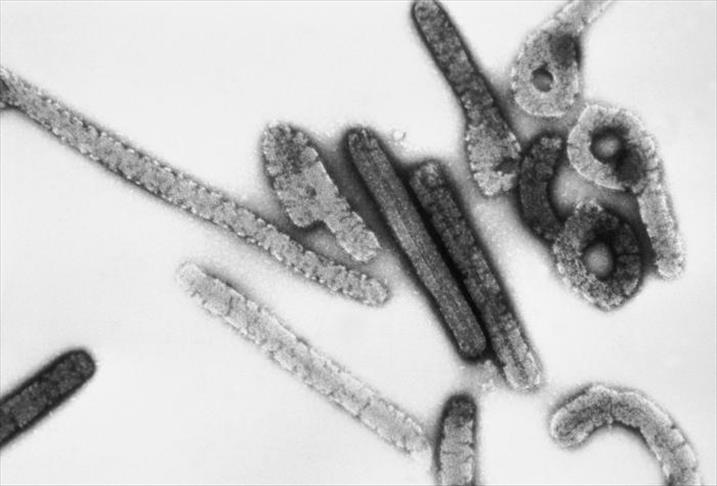
The government of Uganda on Tuesday declared the East African country free of the Marburg virus.
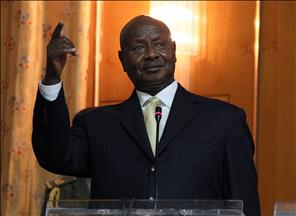
"The Ministry of Health wants to inform the general public that the country is officially declared free of the Marburg virus epidemic," Sarah Opendi, state minister for primary healthcare, told reporters.
The announcement comes after 42 days of a post-Marburg surveillance countdown period, which must run its course before the World Health Organization (WHO) can declare a given region free of a viral hemorrhagic fever.
The Marburg outbreak was declared on October 4 after laboratory tests at the Uganda Virus Research Institute confirmed that a 30-year-old radiographer had succumbed to hemorrhagic fever on September 28.
"Since then, there has been no Marburg case reported in the country," said Opendi. "This implies that the Marburg outbreak in the country has been completely controlled."
During the outbreak, a total of 197 people were put under observation for three weeks in the Kampala, Kasese and Mpigi districts.
"These are people who came into contact with the confirmed case either during his sickness or after death," explained Opendi.
She said eight of the contacts had developed symptoms related to Marburg, but their results had tested negative for the viral hemorrhagic fever.
The Marburg virus last appeared in Uganda two years ago, when it killed six people in the western city of Kabale.
Uganda has a history of hemorrhagic fevers, but has been commended for containing them efficiently.
-Precautions-
Opendi urged fellow Ugandans to reduce the risk of animal-to-human transmission by avoiding contact with fruit bats and to reduce the risk of human-to-human transmission by avoiding direct or close contact with suspected carriers of the virus.
"The public is also urged to embrace regular hand-washing after visiting patients in hospitals and all health workers must wear gloves while taking care of patients," she cautioned.
General Health Services Director Jane Ruth Aceng, for her part, was quick to warn Ugandans against eating fruit bats found in the Western Ibanda district.
She said Uganda remained prone to viral hemorrhagic fevers, blaming this on caves in Ibanda where fruit bats stay seasonally, especially from July to November.
"Uganda is also next to the rainforest in Congo, where so many of these monkeys and bats stay," the official added.
"[There are] many periods when we have drought and there is a lack of food, [when] people feed on bush meat and wild fruits," she explained.
www.aa.com.tr/en