By Roy Ramos
ZAMBOANGA, Philippines
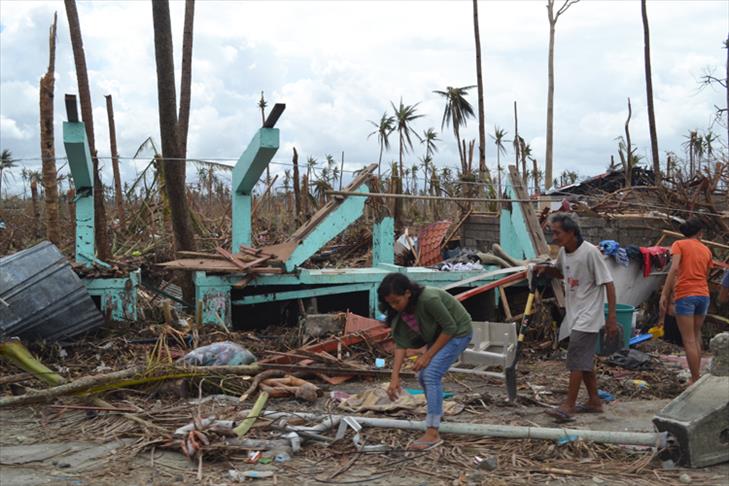
A year after one of the strongest typhoons ever recorded decimated parts of the Philippines, a human rights group is seeking to highlight a rise in the trafficking and prostitution of its female victims.
"Despite official aid from foreign governments and donations from various organizations, the [President Benigno] Aquino government has failed to rehabilitate the typhoon victims, especially women and children," Elmer Labog, the chair of the International League of Peoples’ Struggle (ILPS) in the Philippines, said in a statement Monday.
"This is a full year into its so-called relief and rehabilitation efforts,” he added.
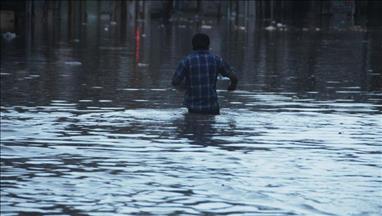
Typhoon Yolanda - also known as Haiyan - struck the central part of the country November 8, 2013, leaving at least 6,300 people dead and over four million displaced. More than 100,000 of whom are still living in 381 evacuation centers, a December report from the National Disaster Risk Reduction and Management Council states.
In Yolanda's wake, rights groups have said that women and girls have faced an increased risk of violence, sexual exploitation and trafficking.
“Even before Haiyan, the [central] provinces of Leyte and Samar were identified as trafficking hotspots. Women and girls would be trafficked to Manila or abroad for domestic work,” Devanna De La Puente, coordinator of gender-based violence for the Haiyan Relief Effort (HRE), told reporters.
A November 2013 report by HRE noted that "poverty" in Leyte and Samar was at between 20 and 40 percent - in some parts of Samar 60-80 percent - while the United Nations Population Fund estimates that 375,000 women and girls had experienced sexual violence before Haiyan.
It warned that without concrete efforts to improve security, and intervention focused on gender-based violence and trafficking specifically targeting women and girls, this number could increase by 75,000.
According to Department of Social Welfare and Development records, an estimated 20,000 people from typhoon-ravaged areas fled to the capital Manila to escape the devastation, many with nowhere to stay.
A study by the Health and Human Rights online publication shows the majority of young girls and women in Manila’s sex industry come from poverty-stricken areas – such as Leyte, Samar, Cebu and southern Mindanao – and enter trafficking through force, deception, economic desperation and psychological manipulation.
“Trafficked girls often do not realize they are entering prostitution and are deceived by promises of jobs like domestic help or restaurant work,” according to the study. “Metro Manila reportedly serves both as a source and a transit area from which girls are sent to Japan and Singapore."
Although illegal, prostitution is widespread at Manila entertainment venues, such as bars, nightclubs, brothels and massage parlors – rings have even been busted at shopping malls. A 2010 report by the Senate of the Philippines quotes Senator Pia S. Cayetano as calling "prostitution a major problem in our country."
She said that the number of people employed in prostitution in the country had almost trebled in the five years to 2005 to 800,000. The country is also ranked by UNICEF as among those with the worst child trafficking issues - an estimated 100,000 minors involved in the industry each year.
Government raids on at least three prostitution dens in the past year yielded female victims of sex trafficking from typhoon-stricken areas of the region of Eastern Visayas, which is made up of the islands of Leyte, Samar and Biliran.
“Lack of livelihood opportunities after the typhoon, and the mass exodus of people leaving for Manila – often without documentation because it was washed away – has made tracking people difficult, and trafficking more of an issue,” said De La Puente.
On Monday, the local affiliate of rights group the People's struggle welcomed an international fact finding-mission convened by a Filipino women’s group to investigate the alleged trafficking and prostitution of female victims of Haiyan from Leyte.
Labog said in the statement that the mission will join a National Conference of Disaster Victims November 6 and a protest demonstration November 8 during which female victims of trafficking and white slavery from disaster areas hope to air their grievances and demands.
www.aa.com.tr/en