- VPNs and selective ‘white SIM’ access create uneven connectivity across society
- Prolonged disruption raises economic and mental health concerns
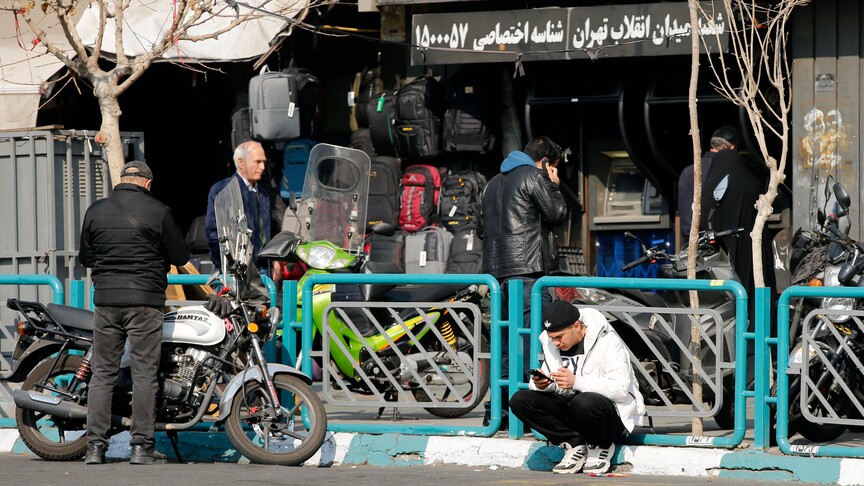
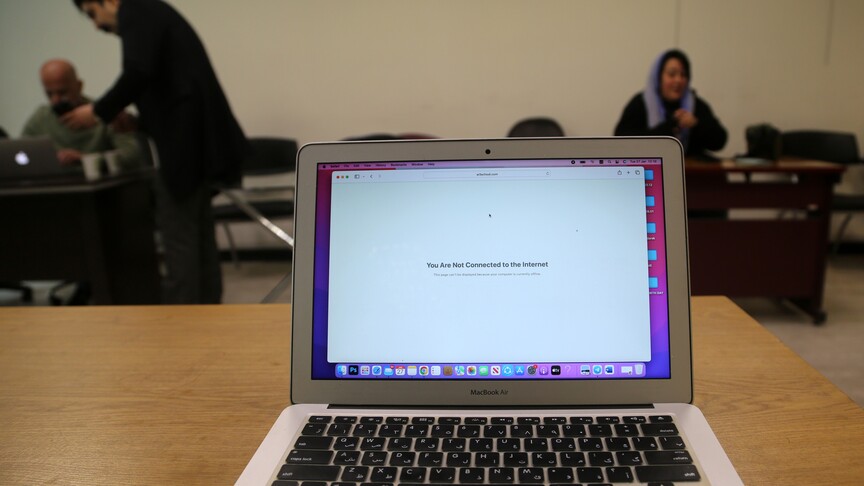
Iran’s disruption of international internet access is in its third month, reshaping how millions communicate, work and navigate daily life, as restrictions on global connectivity continue to ripple through the country’s economy and society.
Experts emphasize that the situation should not be understood as a total internet shutdown, but rather as a sustained restriction on access to the global internet.
Domestic services, including banking systems, local platforms and government-linked infrastructure, remain operational, while access to international platforms has been significantly curtailed, said Hamed Roshan-Cheshm, a faculty member at Islamic Azad University in Tehran.
“The main issue is not the absence of internet, but the restriction of access to global networks,” he told Anadolu.
Iran imposed the restrictions soon after the war with the US and Israel began on Feb. 28, describing the move as necessary for national security.
This digital isolation, Roshan-Cheshm said, has created serious disruptions for individuals and businesses dependent on international communication, which has long played a central role in Iran’s digital economy.
A significant share of commercial activity, advertising and online sales is conducted through international platforms, meaning the restrictions have directly reduced income for many businesses.
The disruption has also affected traders, exporters and individuals who rely on cross-border communication, limiting their ability to maintain global contacts.
A dual system emerges
Roshan-Cheshm warned that unequal access is becoming more entrenched, with segments of society experiencing different levels of connectivity.
Internet monitoring group NetBlocks said in a May 1 update that the disruption had entered its 63rd consecutive day, leaving much of Iran’s population of around 93 million effectively cut off from the global internet.
Access to global platforms is largely divided between authorized users with so-called “white SIM cards” and the broader public relying on Virtual Private Networks (VPNs).
White SIM cards, typically issued to certain officials, journalists and public figures, provide limited access to global platforms.
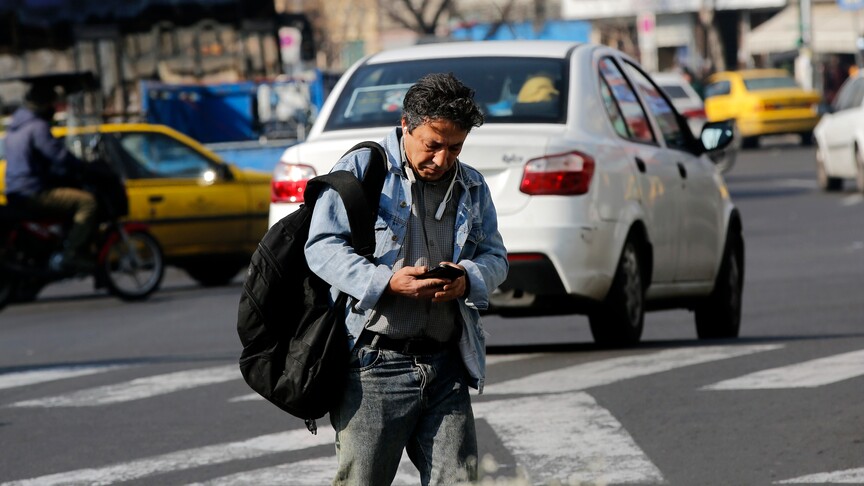
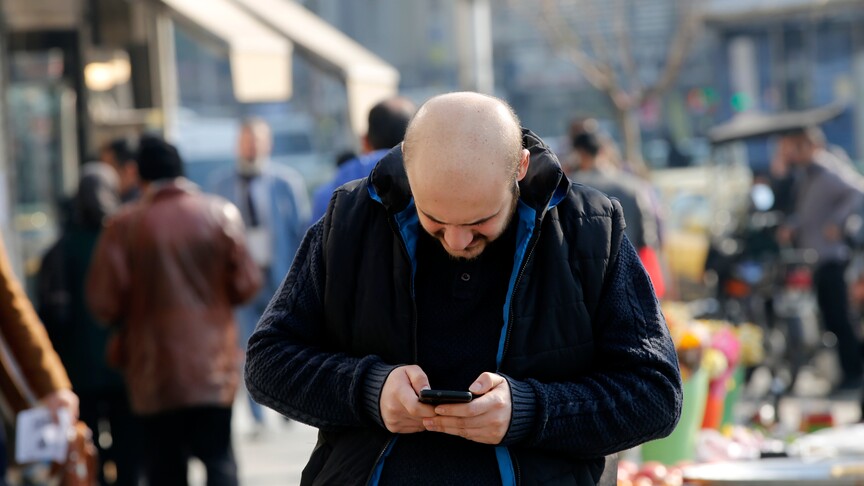
VPN use has become widespread among the public, but remains unreliable, costly and frequently blocked. During peak disruptions, even these tools are often ineffective.
In 2025, the use, possession, import or sale of Starlink satellite dishes was also made illegal. This year, the country also launched a jamming campaign to block those using the technology to access the internet.
Iran’s National Information Network (NIN), a state-backed domestic intranet, has helped maintain essential services such as banking and government operations.
Longstanding controls, intensified by conflict
Restrictions on internet access in Iran predate the current war.
Access to major global platforms – including Facebook, X, YouTube and, at times, Instagram – has long been limited, leading many users to rely on VPN services.
Authorities have repeatedly limited connectivity during periods of unrest, including nationwide shutdowns in 2019 and restrictions during protests in 2022, when platforms such as WhatsApp and Google Play were blocked.
During the 12-Day War in June 2025, the government also hampered telecommunications, citing national security concerns. It also urged citizens to delete WhatsApp from their phones, claiming it was Israeli spyware.
The latest wave of protests in January, which left more than 3,100 people dead, according to official sources, also saw the government impose severe internet and phone outages.
The situation escalated further on Feb. 28, when the US and Israel initiated strikes on Iran, triggering major disruptions as Tehran retaliated across the Middle East.
During the height of the conflict, international connectivity was nearly fully cut, rendering even VPN tools largely unusable. According to NetBlocks, the current restrictions mark the longest sustained internet disruption in a connected society.
Psychological toll
The impact extends beyond economics into social and psychological life.
Sara Younes, a clinical psychologist based in Tehran, said the restrictions disrupted both her work and the well-being of her patients.
Many businesses lost income when platforms such as Instagram became inaccessible, while online therapy sessions were suddenly interrupted, she said.
The disruption severed communication with vulnerable patients, including those experiencing depression, anxiety and suicidal thoughts, raising serious concerns among mental health professionals.
Although some communication was later restored through domestic applications such as Baleh, Rubika and Eitaa, Younes said several patients experienced worsening conditions during the period of disconnection.
The prolonged disruption has also made it difficult for Iranians to stay in contact with friends and family abroad, NetBlocks noted, adding that it also hinders education by limiting access to knowledge.
Experts say the restrictions reflect a broader strategy that includes long-term efforts to control information flows.
Nilufer Pembecioglu, a professor of communication sciences at Istanbul University, said such policies often involve limiting access to foreign media, strengthening domestic platforms and shaping information environments through centralized systems.
These measures can serve both as a security mechanism during crises and as part of a broader strategy to manage information circulation within society, she added.