04 February 2017•Update: 05 February 2017
NEW YORK
The United Nations Friday removed the name of an Afghan rebel leader from its list of designated terrorists.
In a statement, the UN said a Security Council committee removed Gulbuddin Hekmatyar’s name from the Daesh and al-Qaeda sanctions list.
Hekmatyar, a famous rebel leader from the Soviet-Afghan War era, was blacklisted by the UN in 2003 over suspected ties to al-Qaeda and the Taliban, and his group, Hezb-i-Islami, was listed as a terrorist organization.
Hekmatyar last September inked a landmark peace deal with Kabul that has paved the way for his return to the political arena. He is currently believed to be at a secret location in Pakistan.
Last year Afghan President Ashraf Ghani formally requested during a meeting with a UN Security Council delegation that Hekmatyar’s name be removed from the UN blacklist.
The 69-year old originally hails from the northern Kunduz province and began his career fighting the Soviets and then various factions of the Mujahedeen during the civil war of the 1990s, before later going into self-imposed exile.
-Afghan government's reaction
The Afghan government on Saturday warmly welcomed the United Nations Security Council (UNSC)’s move to drop the sanctions imposed on Hekmatyar.
Mohammad Akram Khpalwak, Afghan President Mohammad Ashraf Ghani’s political adviser and the top negotiator for the peace deal with Hekmatyar, while welcoming the move, urged other rebel groups in Afghanistan to follow suit and join the peace process.
Khpalwak said efforts are underway to ensure the release of the Hezb-e-Islami’s political prisoners in line with the peace deal.
Last month, he told Anadolu Agency no country at the UNSC is opposing Hekmatyar’s removal from the sanctions list.
There were, however, reports that the Russian Federation might oppose the move. These rumors were laid to rest when the Russian Foreign Ministry spokeswoman Maria Zakharova said last month that Moscow has expressed its readiness to be flexible on the issue, taking into account the national interests of Afghanistan.
The peace deal with the Kabul government which has paved the way for Hekmatyar’s return home from a long self-imposed exile was inked on 29th September last year. In mid-December, the government sent a formal request to the UNSC to lift sanctions against the members of the Hezb-e-Islami party.
Hekmatyar was black listed on February 20, 2003 as being associated with Al-Qaeda, Osama bin Laden or the Taliban for “participating in the financing, planning, facilitating, preparing or perpetrating of acts or activities by, in conjunction with, under the name of, on behalf or in support of" the Taliban and Al-Qaeda.
A statement on the UNSC’s website dated February 3, 2017 said: The Security Council Committee pursuant to resolutions 1267 (1999), 1989 (2011) and 2253 (2015) concerning ISIL (Da’esh), Al‑Qaida and associated individuals, groups, undertakings and entities removed the name below [Gulbuddin Hekmatyar] from the ISIL (Da’esh) and Al-Qaida Sanctions List. Therefore, the assets freeze, travel ban and arms embargo set out in paragraph 2 of Security Council resolution 2253 (2015) no longer apply to the name set out below [Gulbuddin Hekmatyar].
The abuses he is accused of also include the indiscriminate shelling of civilians, the murders of intellectuals and the disappearances of political opponents. However, his group has been largely dormant in recent years.
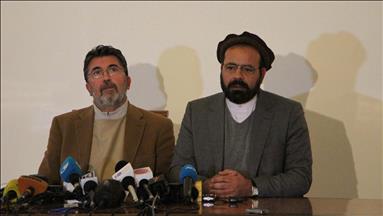
The former Afghan rebel leader’s top aide Amin Karim also welcomed the move. Addressing a press conference in Kabul on Saturday, he said now they believe the UN wants peace and not war in Afghanistan.
“The peace deal helped replace the war with talks, and the removal of Hekmatyar’s name from the sanctions’ list is a positive outcome of these talks,” he said.
Karim hinted Hekmatyar would appear in public in a month’s time.