Hussien Elkabany and Lina Altawell
18 May 2026•Update: 18 May 2026
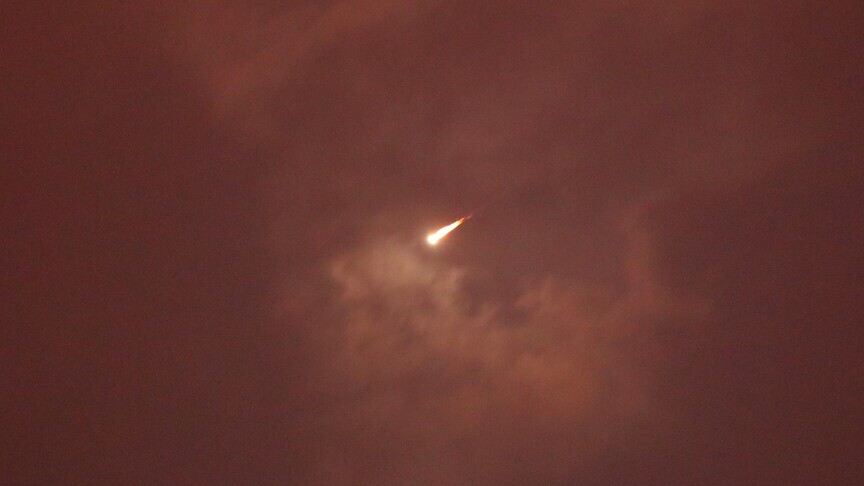
The United Arab Emirates, Qatar, and Kuwait condemned on Monday an attack targeting Saudi Arabia with drones that entered the kingdom’s airspace from Iraq.
Saudi authorities said Sunday that air defenses intercepted and destroyed three unmanned aircraft from Iraq.
“These attacks constitute a violation of the sovereignty of the brotherly Kingdom of Saudi Arabia and a threat to its security and stability,” the UAE Foreign Ministry said in a statement.
It expressed the UAE’s “full solidarity with Saudi Arabia and support for all measures aimed at safeguarding its security and stability.”
Qatar’s Foreign Ministry also condemned the attack, calling it “a violation of the Kingdom’s sovereignty, and a threat to its security and safety and to the security of the region.”
The ministry renewed “Qatar’s full solidarity with the Kingdom of Saudi Arabia, and its support for all measures it takes to preserve its security, sovereignty and the safety of its citizens and residents on its territory.”
Kuwait also expressed its “strong condemnation and denunciation of the aggression” against Saudi territory from Iraq.
The Foreign Ministry said the attack marked “a continuation of the series of blatant violations of international law and relevant UN Security Council resolutions, particularly Resolution 2817, undermining regional security and stability.”
The ministry said it stands alongside Saudi Arabia “in all measures it takes to preserve its security and stability and ensure the safety of its territory.”
The Saudi Defense Ministry said Sunday that it “reserves the right to respond at the appropriate time and place” after the attack.
Riyadh did not identify the party responsible for launching the drones, saying only that they entered Saudi airspace from Iraq.
Regional tensions have escalated since the US and Israel launched strikes against Iran in February. Tehran retaliated with strikes targeting Israel as well as US allies in the Gulf, along with the closure of the Strait of Hormuz.
A ceasefire took effect on April 8 through Pakistani mediation, but talks in Islamabad failed to produce a lasting agreement. US President Donald Trump later extended the truce indefinitely.