Mucahithan Avcioglu
24 June 2026•Update: 24 June 2026
Traffic through the Strait of Hormuz showed further signs of cautious recovery June 23, with 31 verified crossings recorded of commercial and energy-linked vessels, according to maritime data provider Kpler.
West-to-east movements dominated the crossings, while Iranian, Omani and International Maritime Organization routes all remained in use, Kpler said in a post on US social media firm X.
More empty liquefied natural gas tankers have also transited the Strait to pick up cargoes, signaling efforts by Gulf producers to restore exports after an interim US-Iran peace deal.
A Chinese LNG carrier recently passed through the waterway, while at least eight Qatar-linked tankers entered the Persian Gulf in the last week, according to Kpler.
The tanker movements come as Qatar and the Abu Dhabi National Oil Company, or ADNOC, look to rapidly increase exports following the agreement, which has helped ease security concerns around one of the world’s most important energy chokepoints.
The data suggests the strategic waterway remains operational under the US-Iran memorandum of understanding (MoU), allowing a gradual return of shipping flows after months of disruption linked to the war.
The recovery is particularly important for LNG markets, as Gulf exporters rely on Hormuz to ship cargoes to Asia and Europe. A sustained rise in empty tanker arrivals would point to preparations for higher outbound LNG flows in the coming days and weeks.
Kpler warned, however, that the recovery remains cautious, citing continued dark-route activity -- vessels moving with limited or no visible tracking signals -- and uncertainty about what happens after the MoU’s 60-day window expires.
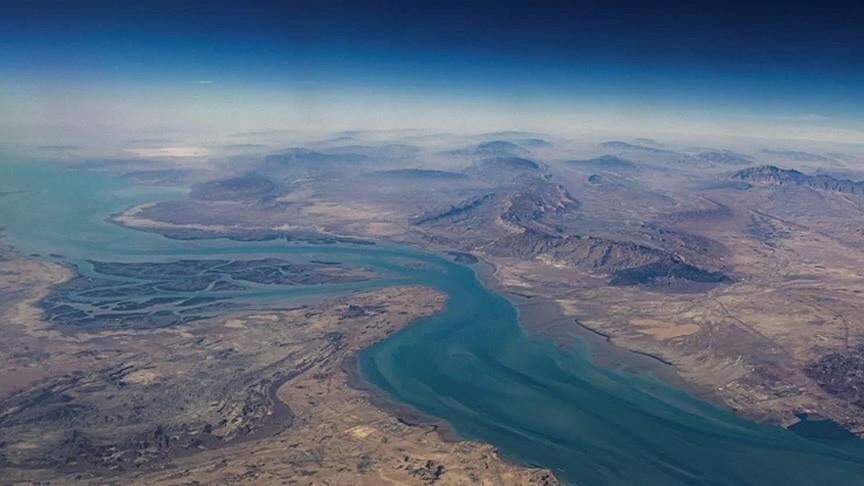
The Strait of Hormuz links the Persian Gulf with the Gulf of Oman and is a key passage for crude oil, refined fuels and LNG exports from Gulf producers.
Shipping activity through Hormuz has become a closely watched indicator for global energy markets since the US-Iran deal, as traders assess whether Gulf flows can normalize without renewed security risks.
The return of LNG tankers, alongside broader commercial and energy-linked crossings, has helped ease some supply concerns, though analysts said sustained normalization will depend on clearer navigation guarantees, lower war-risk premiums and continued adherence to the interim deal.