Mucahithan Avcioglu
17 April 2026•Update: 17 April 2026
- Separate satellite imagery assessment shows 3 tankers loading about 5 million barrels at Iran’s Kharg Island export hub on April 16, despite mounting pressure on Tehran’s oil trade
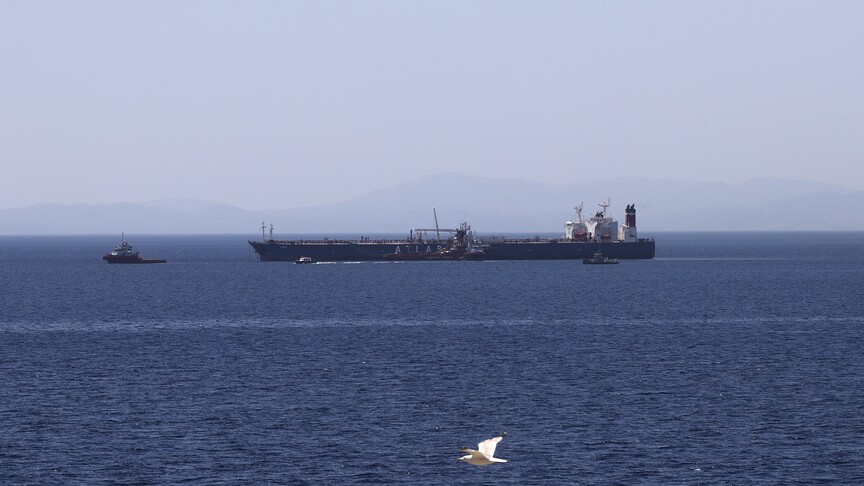
A significant share of Iran-linked oil tankers tracked over the years remains outside the US sanctions net, while some vessels are masking their identities through false tracking signals, underscoring the challenge of enforcing restrictions on Tehran’s crude trade, according to tanker monitoring service data.
Maritime tracker platform TankerTrackers said the number of active Iran-linked tankers it has tracked over the years stands at 633, of which 397 have been sanctioned by the US Office of Foreign Assets Control, or OFAC. That leaves 236 vessels outside US sanctions, including 72 that it said are currently moving freely in the Middle East.
According to tracker data, some vessels are broadcasting false automatic identification system (AIS) signals to conceal their identities. Such spoofing tactics, along with ships going dark or shifting cargoes between vessels, have become a central obstacle for authorities trying to identify and stop sanctioned oil movements.
In a separate update, the platform said satellite imagery from April 16 showed three tankers loading at Iran’s Kharg Island export terminal with a combined total of 5 million barrels.
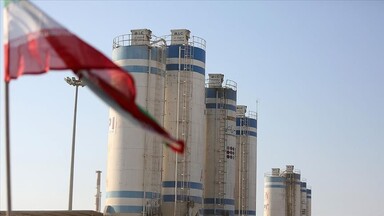
Kharg Island is Iran’s main oil export hub, and continued loading there suggests Tehran is still able to place crude onto tankers despite tighter surveillance and growing pressure on its maritime export network.
The developments highlight how Iran’s tanker network continues to function through a mix of unsanctioned ships and active loading operations, even as Washington seeks to intensify pressure on the country’s oil exports.