Wassim Samih Seifeddine
24 April 2026•Update: 24 April 2026
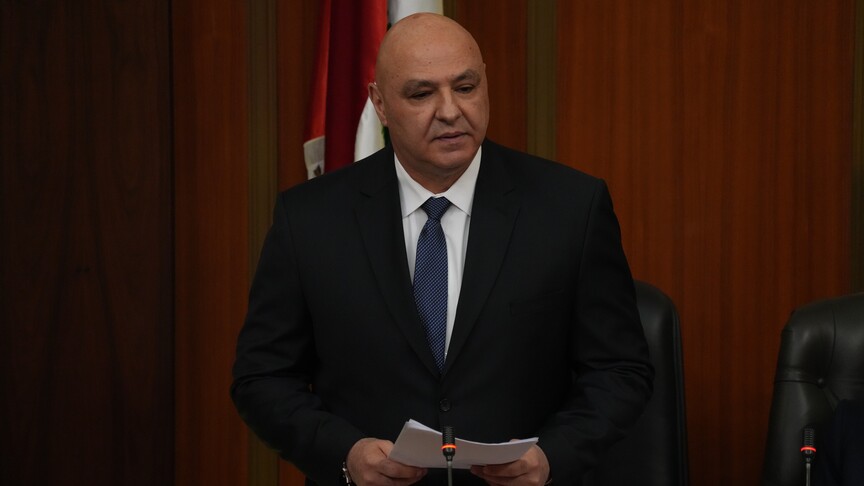
Lebanese President Joseph Aoun said Friday that his country rejects being used as a “bargaining chip” in regional conflicts, stressing a commitment to diplomacy to achieve stability and peace.
Aoun made the remarks during an informal meeting of European Union heads of state and government, attended by leaders from southern neighboring countries, at the invitation of Greek Cyprus as part of its EU presidency, according to a statement from Lebanon’s presidency.
He said Lebanon “refuses to be a bargaining chip in regional conflicts,” emphasizing that it negotiates in its own name to defend national interests and sovereignty.
Aoun added that Lebanon is engaged in a diplomatic track under US sponsorship, with support from the EU and Arab countries, aimed at reaching a sustainable solution to halt Israeli attacks and ensure a full withdrawal behind internationally recognized borders, allowing the state to extend its authority across all its territory.
He said Lebanon, like other countries in the region, places strong emphasis on de-escalation and stability, describing diplomacy as the only viable path to a lasting solution.
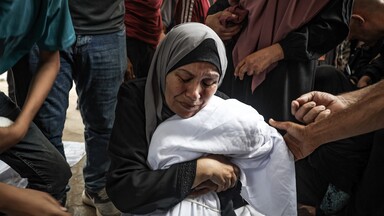
The president also outlined the impact of Israeli attacks, citing the targeting of medical teams, hospitals, educational institutions, journalists and places of worship, along with widespread destruction of villages and infrastructure aimed at preventing residents from returning.
More than 1 million Lebanese have been displaced under difficult humanitarian conditions, he said, noting that Israel has issued over 1,300 evacuation orders covering 311 towns and carried out more than 6,800 airstrikes as of April 11.
According to Aoun, the developments have resulted in more than 10,000 casualties, including many women, children and people with disabilities.
He called on the European Union to convene an international conference for reconstruction and recovery, increase humanitarian funding, and activate support for the Lebanese army through a conference proposed by France, describing the army as “a key pillar of stability.”
US President Donald Trump said late Thursday that Israel and Lebanon agreed to extend a ceasefire by three weeks following a second round of high-level negotiations at the White House, where he hosted the ambassadors from both countries in the Oval Office.
The move follows a 10-day ceasefire announced on April 16 that has been violated daily by Israel.
The Israeli army has killed more than 2,480 people, injured over 7,700 and displaced more than 1.6 million in attacks across Lebanon since March 2.
*Writing by Rania Abushamala in Istanbul