Mohammed Ertima and Mohammad Sio
19 August 2026•Update: 19 August 2026
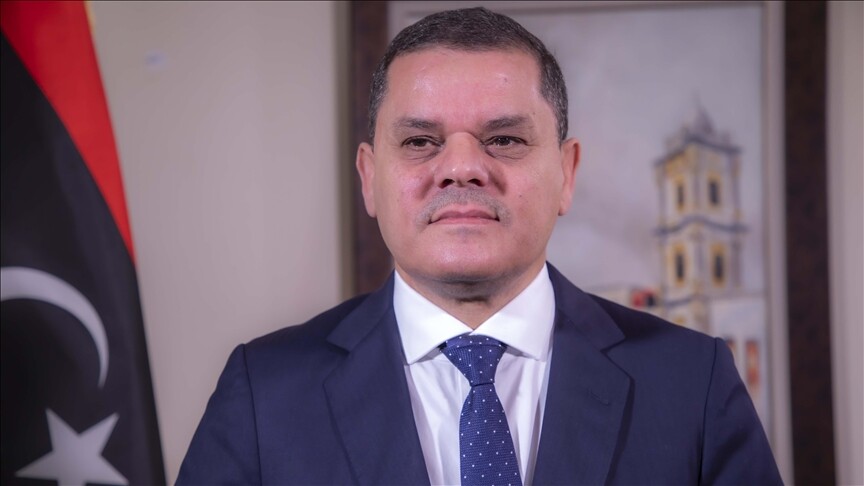
Libyan Prime Minister Abdul Hamid Dbeibah and Mohamed Takala, president of the Supreme Council of State, discussed ways to advance the political process and break the country’s prolonged political deadlock on Tuesday.
The meeting was held at the council’s headquarters in the capital Tripoli, according to a statement by the Supreme Council of State.
The two officials discussed “the latest political developments and efforts to move the political process forward and overcome the impasse,” the statement said.
They also discussed “ways to improve coordination and cooperation among state institutions on priority issues, with the goal of unifying efforts and supporting stability,” it added.
The meeting addressed “measures to improve basic services and tackle obstacles facing key sectors, particularly the electricity crisis.”
The two sides also reviewed the security situation and stressed the need for greater coordination among relevant authorities, as well as measures to address bottlenecks, improve public services and strengthen security and stability, according to the statement.
Libya has seen deteriorating security and public services in recent weeks, including clashes in the western cities of Zawiya and Sorman, drone attacks on oil facilities in Zawiya and a severe electricity crisis.
Two rival governments have contested power in Libya for years. Dbeibah’s internationally recognized Government of National Unity is based in Tripoli and administers western Libya.
The country remains divided between the Tripoli-based government and a rival administration appointed by the House of Representatives and headed by Osama Hammad in Benghazi.
The UN Support Mission in Libya has sought to resolve political disputes that have delayed long-awaited national elections, which Libyans hope will help end years of political division and armed conflict following the 2011 overthrow of Muammar Gaddafi.