Lina Altawell
07 April 2026•Update: 07 April 2026
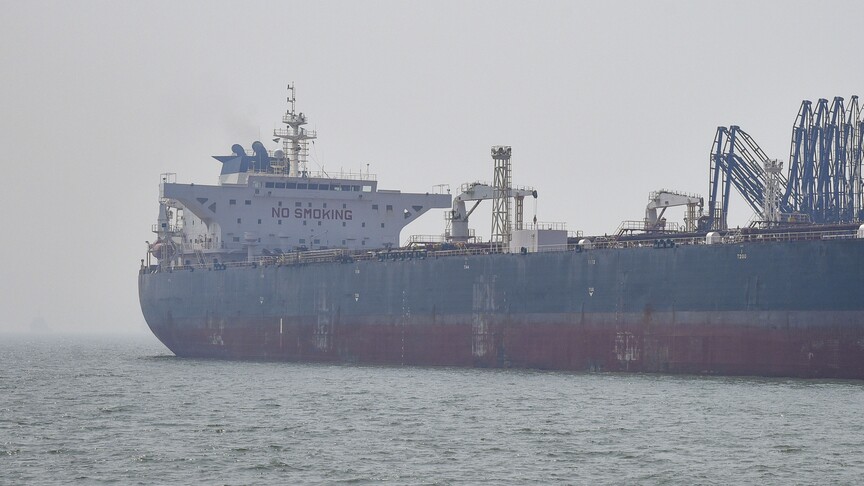
Qatar said Tuesday that any agreement regarding the Strait of Hormuz must include international guarantees, rejecting the use of the strategic waterway as leverage in conflicts.
Foreign Ministry spokesman Majed Al-Ansari said during a news briefing that Doha opposes using the strait as a “pressure tool in any dispute,” warning that disruptions could threaten global energy and food security.
He described the continued closure of the strategic waterway as “a violation of international law and a threat to energy and food security,” adding that such actions would not lead to a resolution.
Iran restricted navigation in the Strait of Hormuz and threatened to target ships attempting to pass without coordination, in response to ongoing US-Israeli attacks against the country.
Ansari said any attempt to impose transit fees “must come within a regional consensus” and cannot be enforced unilaterally.
On March 31, Iran’s National Security Committee approved draft legislation to impose fees on vessels transiting the strait.
The spokesman said Qatar is concerned about potential escalation in the region, pointing to intensified international efforts to address the crisis alongside a US deadline for Iran to reach an agreement within hours.
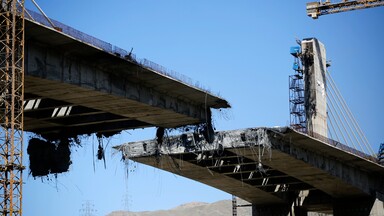
US President Donald Trump threatened to bomb power stations and bridges across Iran if Tehran failed to reopen the Strait of Hormuz and reach an agreement by Tuesday night at 8 pm EDT (0000GMT Wednesday).
Ansari said Qatar’s approach is to avoid direct involvement while defending itself against Iranian attacks and supporting efforts to de-escalate, stressing that resolving the crisis begins with ending the escalation.
He also said Qatar is prepared for all scenarios regarding potential trade impacts.
Regional escalations have continued to rage since Israel and the US launched an offensive against Iran on Feb. 28, killing more than 1,340 people, including then-Supreme Leader Ayatollah Ali Khamenei. Iranian authorities have not updated the toll in recent days.
Iran has retaliated with drone and missile strikes targeting Israel, Jordan, Iraq and Gulf countries hosting US military assets, causing casualties and damage to infrastructure while disrupting global markets and aviation.