07 May 2016•Update: 11 May 2016
By Alex Jensen
SEOUL
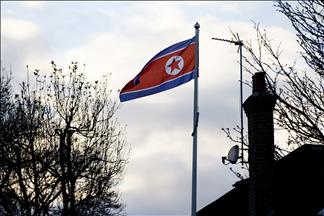
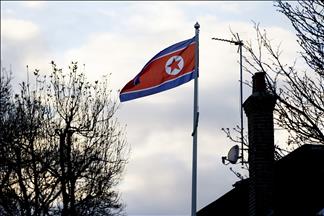
South Korea and the United States agreed Saturday to cooperate closely in response to North Korea's ongoing 7th Workers' Party Congress (WPK), during which the authoritarian state has already celebrated the very nuclear progress that drew strengthened United Nations sanctions in March.
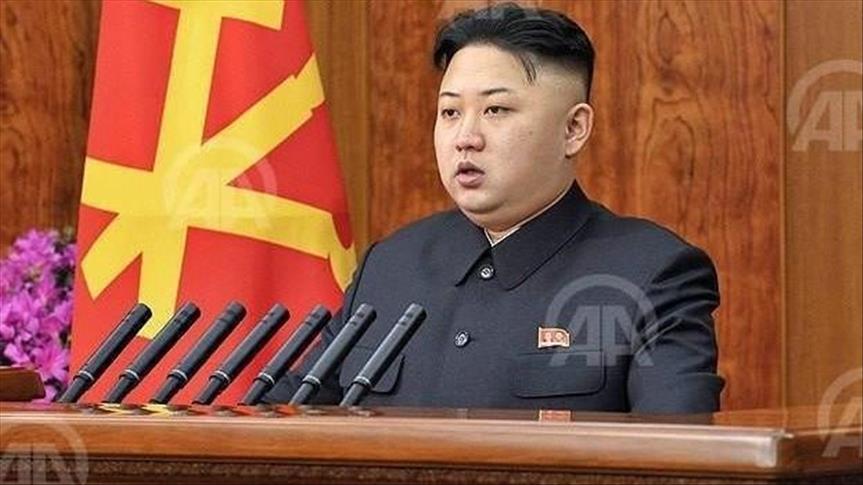
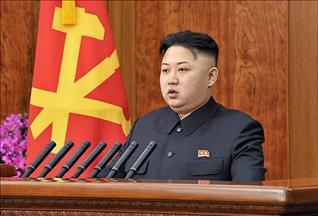
North Korean leader Kim Jong-un's opening speech at the congress pointed to the country's fourth ever nuclear test in January and subsequent rocket launch as "great successes... thus raising the dignity and might of Korea to the highest level possible".
On day two, the North's official Korean Central News Agency (KCNA) news agency said Kim would continue to report on the Workers' Party's achievements since Pyongyang's last congress back in 1980 -- with nearly 3,500 delegates present, the gathering is expected to run through to early next week.
While observers have seen this as an exercise in power consolidation on Kim's part, South Korean Foreign Minister Yun Byung-se and U.S. Secretary of State John Kerry held phone talks early Saturday to compare notes on the situation.
"The two ministers exchanged views on the opening address," Seoul's foreign ministry stated in a release.
"[They] agreed to keep a close watch on future announcements of the main outcomes while maintaining close coordination between South Korea and the U.S. in their response."
Yun and Kerry also threatened to inflict "unbearable isolation" on the North if it continues to ignore UN resolutions barring the country from carrying out nuclear and ballistic missile tests.
So far there has been no provocation to speak of in line with the congress, despite a series of failed North Korean missile launches last month.
Despite an apparent cooling of ties between Pyongyang and its traditional ally China -- and the absence of Chinese officials at the congress -- North Korea claimed Saturday that it had received a warm message from China's Communist Party a day earlier.
"The Seventh Congress of the WPK will be a great event for the party and the political life of the people of the DPRK [Democratic People's Republic of Korea] and have a great influence on the development of the WPK and the Korean-style socialist cause," read the note from China according to the KCNA, with the DPRK referring to North Korea's own official abbreviation.
Beijing had previously repeatedly promised to comply with UN sanctions to deter the North from further developing its nuclear arsenal.