Talha Öztürk
15 December 2015•Update: 18 December 2015
BELGRADE, Serbia
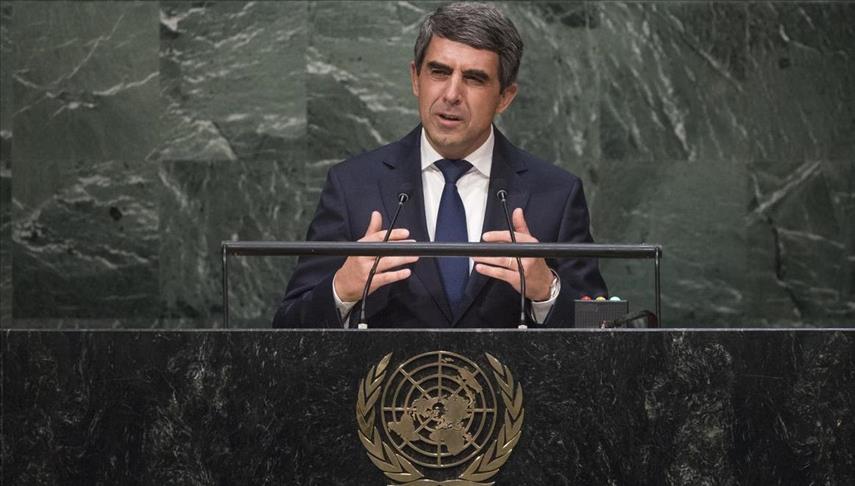
Bulgaria and Greece expect help from the European Union to deal with the refugee crisis, Bulgarian President Rosen Plevneliev has said.
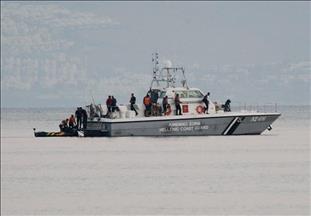
Addressing a press conference with his Greek counterpart Prokopis Pavlopoulos in the Bulgarian capital of Sofia Monday, Plevneliev said: "Despite the limited financial support from the EU, Bulgaria and Greece have made efforts to accept and accommodate refugees”.
Sofia and Athens believe EU member states should agree on clear common rules about how to handle the refugee crisis.
"When we are talking about hundreds of thousands, even millions of people fleeing war and conflict, we cannot leave one or another country alone... By taking migrants through half-open or closed borders and divert responsibility from one state to another, this is just a recipe for catastrophe," he said.
He also said that there should be "migrant hotspots" in every EU state, local media outlets reported.
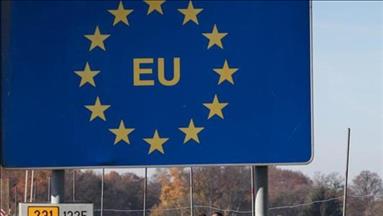
Meanwhile, Pavlopoulos underscored the fact that Bulgaria is not part of the Schengen accession.
"It does not make sense that after complying with all the rules, Bulgaria is still not taken to the Schengen accession," Pavlopoulos said.
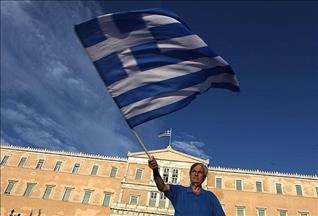
Meanwhile, the funding of 20,000 reception places for asylum seekers and relocation candidates in Greece was officially signed in Athens by the European Commission, the UN Refugee Agency and Greece Monday.
Balkan countries had agreed to improve information exchange and coordination between them and, also, agreed to provide an additional 50,000 reception places for asylum seekers along the Western Balkans route, and 50,000 reception places in Greece, including 20,000 places to be provided through a joint scheme with the UNHCR.
“We will be funding with 80 million euros these 20,000 accommodations which we can rotate throughout the year. This will accelerate Greece’s commitment of 50,000 places” the vice president of the EU Commission for EU budget and human resources, Kristalina Georgieva, said after the signing ceremony in Athens.
Syria’s civil war, now in its fifth year, has left at least 250,000 people dead, according to the UN. More than 11 million Syrians have been internally displaced and millions more are seeking refuge abroad.
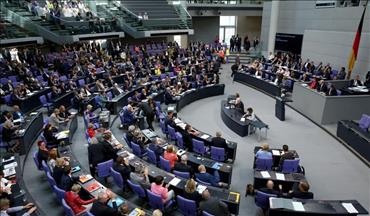
Among the European countries, Germany has received a record one million refugees this year, mostly from Syria and Iraq, and the refugee influx mostly overstretched communities and municipalities across the country.
Turkey has welcomed Syrians since the beginning of the civil war in March 2011. The country has been hosting around two million people under temporary protection regulations, which provide for an unlimited stay, access to public medical health care and protection against forcible return.
(Vasiliki Mitsiniotou contributed to this report from Athens)