ANKARA
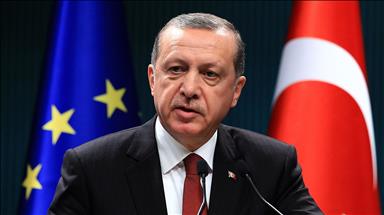
Turkish President Recep Tayyip Erdogan has called for friendship with Armenia amid European Parliament's resolution terming the 1915 events a “genocide.”
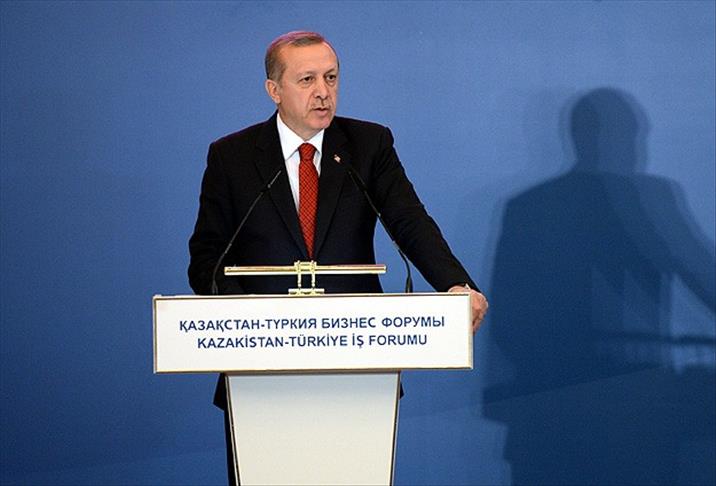
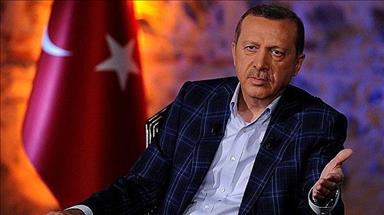
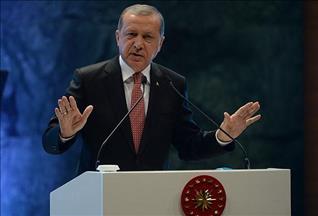
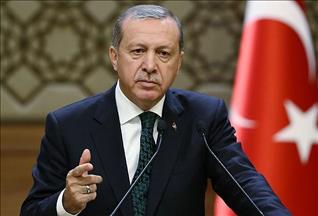
During his speech at the Turkey-Kazakhstan Business Forum Thursday in Ankara, Erdogan said: "Let's leave the history to the historians. Let's build a future for ourselves in the light of our common history, common benefits."
The president also slammed the European Parliament and said those trying to push terms like genocide did not make sense. “The decisions taken at parliaments and statements of politicians about this issue is null and void for us, just like the decision of the European Parliament," he said.
Erdogan said that Turkey had no problem with Armenia and reiterated that the period when the so-called “genocide” took place, Turkish people had been suffering "more" than the Armenians.
"However, our friendly feelings for Armenian people still exist and are alive," he said. "These kinds of decisions are just coming out of enmity for Turkey," he added.
In 2014, when Erdogan was the prime minister, he expressed his condolences for the first time to all Ottoman citizens who lost their lives in the 1915 events.
"May Armenians who lost their lives in the events in the early 20th century rest in peace, and we convey our condolences to their grandchildren," Erdogan said back then.
In his Thursday speech, Erdogan reiterated his message and said: "I offered a hand of friendship in 2014 to Armenia, but, unfortunately, it came to nothing."
The debate on "genocide" and the differing opinions between the Turkish government and the Armenian diaspora, along with the current administration in Yerevan, still generates political tension between Turks and Armenians.
Turkey's official position against allegations of "genocide" is that it acknowledges the past experiences were a great tragedy and that both parties suffered heavy casualties, including hundreds of Muslim Turks.
Ankara agrees that there were Armenian casualties during World War I, but says that it is impossible to define these incidents as "genocide."