BRUSSELS
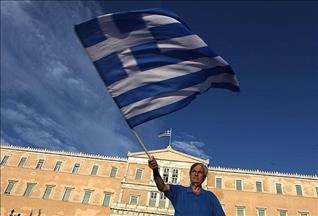
Greece’s economic reform plans will be submitted to its Eurozone partners Tuesday morning instead of Monday as previously planned, according to Greek government officials on Monday.
The reform list, which must be accepted by Greece’s creditors, includes reforms to fight tax evasion, corruption and measures to reform the public sector, according to officials.
If EU creditors do not accept Greece’s reform list then the indebted country is facing the risk of running out of cash and a euro zone exit.
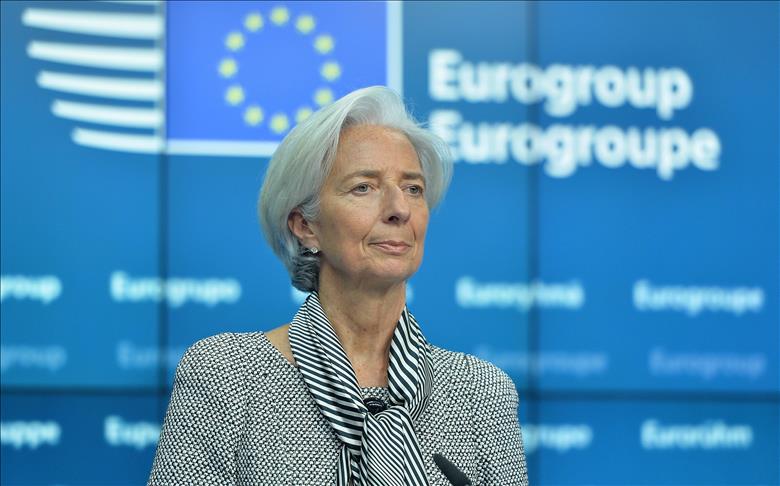
However, Christine Lagarde, head of the International Monetary Fund insisted on Monday that Greece would not leave the Eurozone.
“Last week was a triggering point where there was a collective determination to listen, to build trust, and to do the best to stay together,” Lagarde told the Huffington Post on Monday.
“I hope that the structural reforms that are so needed in the country can be implemented. There’s been a lot of talk about it, but now it’s time to get on with the work,” Lagarde added.
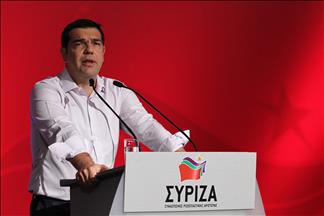
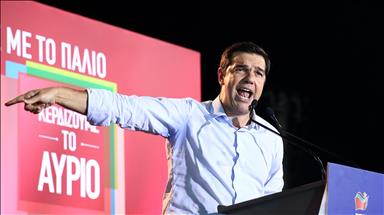
Greece's Prime Minister Alexis Tsipras declared victory after Friday's deal with the Eurozone partners, extending the current unpopular 240 billion euro bailout by four months instead of six months as previously suggested.
However, 92-year-old veteran leftist and SYRIZA party member Manolis Glezos criticized Friday's deal for letting their voters down.
“The people voted in favor of what SYRIZA promised: to remove the austerity… Now a month has passed and the promises have not turned into practice,” he wrote on his blog. “On my part, I apologize to the Greek people because I have contributed to this illusion.”
The firebrand leftist did not hold back his criticism, saying, “Some argue that to reach an agreement, you have to retreat. First: There can be no compromise between the oppressor and oppressed. Between the slave and the occupier the only solution is freedom.”
The leftist SYRIZA party was elected on the promise that it would end the country's current bailout and austerity measures.
Eurogroup chairman Jeroen Dijsselbloem told reporters on Friday that ''money must be made available for recapitalization of banks,'' not be used for government needs.
"Economic recovery cannot be put in danger, fiscal stability cannot be put in danger, financial sector stability cannot be put in danger,'' Dijsselbloem added.