By Hajer M'tiri
PARIS
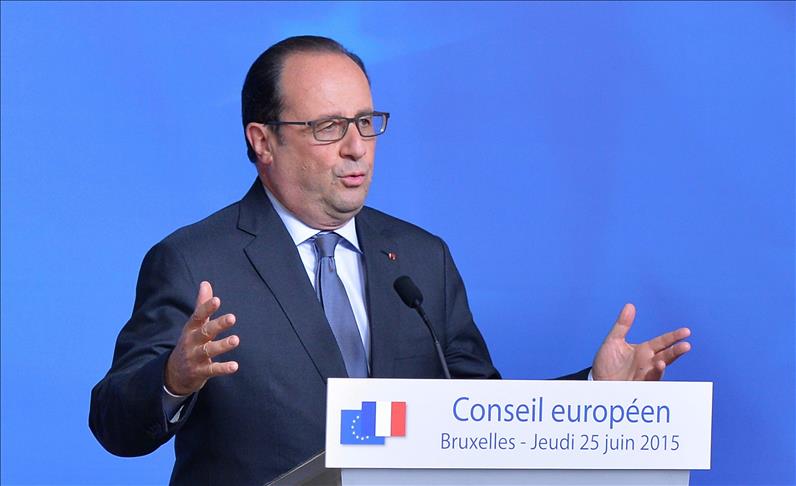
French president Francois Hollande said a deal is still possible with Greece, although the Greek government has left the negotiating table.
Speaking after an emergency meeting with top ministers on Monday, Hollande told reporters: "I hope that the negotiations with Greece will resume, an agreement remains possible. France is always available for dialogue. Dialogue can resume today or in the future, but today, there is always the possibility of an agreement, while in the future it will depend on the response to the Greek referendum," he said.
"France is always ready to act, but it can do so only if there is a common will to reach a solution," he added.
Hollande said he regretted Tsipras' decision to suspend negotiations "because we were close to an agreement." But we respect "the sovereign choice of Greece, it is democracy," he added.
He added his country "has nothing to fear" from the Greek crisis.
"France's economy is more robust than it was four years ago," he said. Four years ago the threat of a Greek crisis hurt European economies.
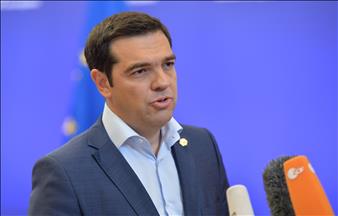
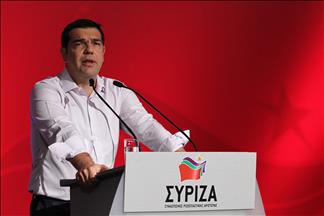
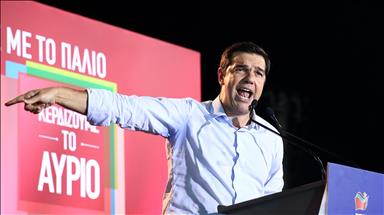
Greek Prime Minister Alexis Tsipras made a 2 a.m. local time (1100GMT) televised speech, in which he pleaded for calm.
The Greek government closed banks and imposed capital controls leading panicked savers forming lines at ATMs to pull as much of their funds as possible.
"The more calmly we deal with difficulties, the sooner we can overcome them and the milder their consequences will be," Tsipras said in the televised address. He promised bank deposits would be safe and salaries would be paid.
The European Central Bank said on Sunday that it would maintain emergency loans currently available to the Greek financial system, but would offer no further aid.
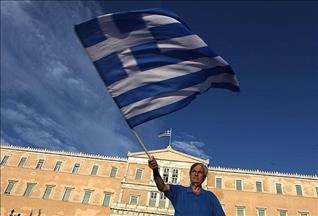
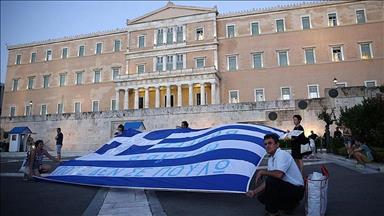
Greeks will vote on July 5 in a referendum on whether to accept bailout terms proposed by the Eurogroup and its other European creditors after the government rejected those terms on Friday. Agreement with creditors would have extended the country's bailout by five months.
Athens is also expected to default on its $2 billion in obligations to the International Monetary Fund on Tuesday.