Seyma Erkul Dayanc
12 April 2026•Update: 12 April 2026
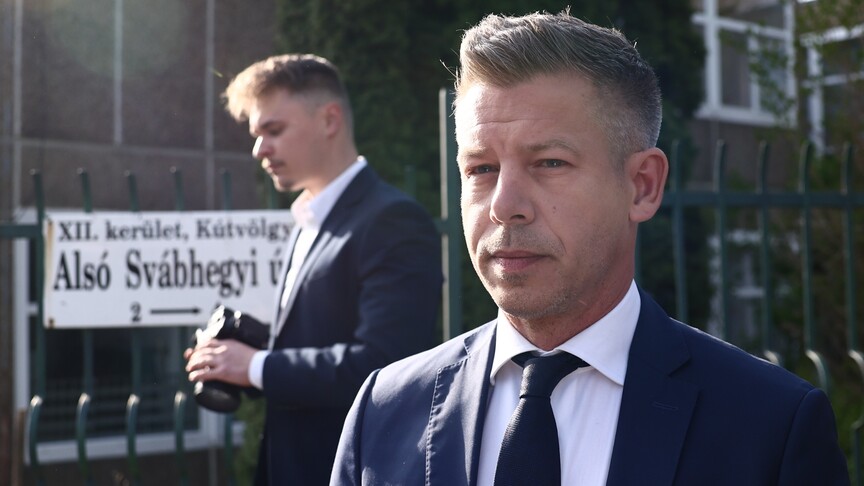
Hungary’s main opposition leader Peter Magyar on Sunday urged voters to take part in parliamentary elections, calling the vote “decisive” and warning it could shape the country’s direction for years.
“A decisive election is taking place in Hungary,” Magyar told journalists after casting his ballot in Budapest, saying the outcome would determine whether Hungary continued on its current path or shifted direction.
He framed the vote as a broader political choice, saying the country was choosing “between East or West, propaganda or honest public discourse, corruption or clean public life,” and warned that the result would have long-term consequences for Hungary’s political and economic future.
He said his party, Tisza, had deployed “tens of thousands of volunteers” across the country to monitor polling stations and help ensure the integrity of the election process.
“We will do everything to ensure the cleanliness of this election,” he said, adding that any reported irregularities would be documented and investigated.
Magyar also said the election result would be closely linked to Hungary’s economic outlook, arguing that access to EU funds and broader economic recovery depended on the outcome of the vote.
He added that a government under his leadership would seek stronger cooperation within the European Union and regional frameworks such as the Visegrad Group (V4) — which brings together Hungary, Poland, Czechia and Slovakia — as well as deeper engagement with neighboring countries.
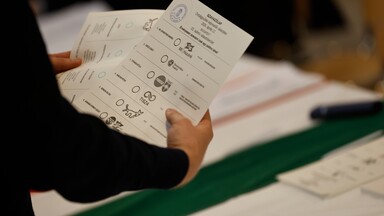
Polling stations opened at 6 am and are due to close at 7 pm, with preliminary results expected later in the evening.
More than 8 million eligible voters are casting ballots to elect members of the 199-seat National Assembly.
Under the electoral system, 106 lawmakers are elected in single-member constituencies, while 93 seats are allocated through national party lists, with a 5% threshold required to enter parliament.
The vote is seen as one of the most competitive contests of Orban’s tenure, with his ruling Fidesz party facing a more consolidated opposition.