Fatma Zehra Solmaz
30 August 2026•Update: 30 August 2026
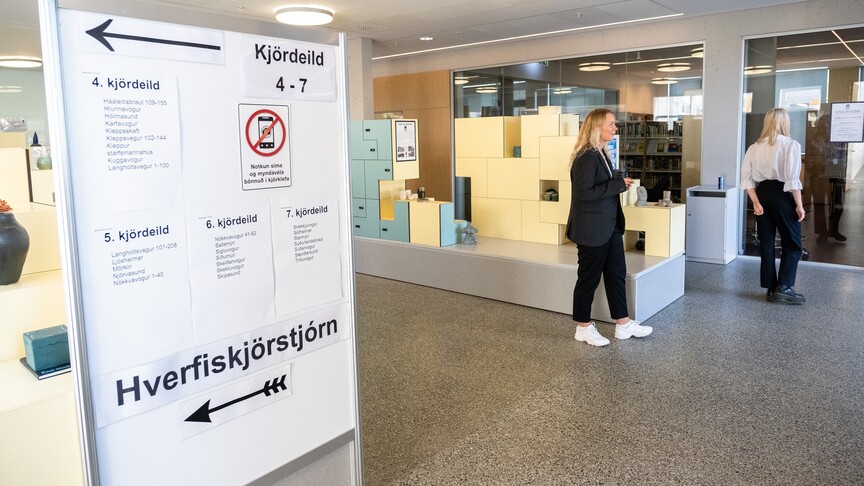
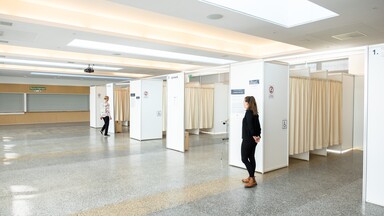
Polling stations closed in Iceland Saturday at 10 pm (2200GMT) following a closely contested referendum on whether to reopen EU membership negotiations.
The campaign was dominated by concerns about the cost of living, security, sovereignty and control of the country's fisheries.
Polling stations opened as early as 9 am local time, with closing times varying between counties and voting continuing into the evening.
Nearly 400,000 Icelanders were eligible to vote, with preliminary results expected early Sunday, according to RUV, Iceland's public broadcaster.
The referendum does not decide whether Iceland will join the EU.
A majority “Yes” vote would give the government a mandate to resume accession talks, while any eventual membership agreement would require approval in a second referendum.
Iceland applied for EU membership in 2009 after its banking system collapsed during the global financial crisis.
Accession negotiations began in 2010 but were suspended three years later after a Eurosceptic government took office. In 2015, Reykjavik informed Brussels that it no longer wished to be considered an EU candidate.
The European Commission maintains, however, that Iceland's membership application remains legally valid and that negotiations are only on hold, according to a report by the European Policy Centre (EPC).