22 April 2016•Update: 28 April 2016
TOKYO
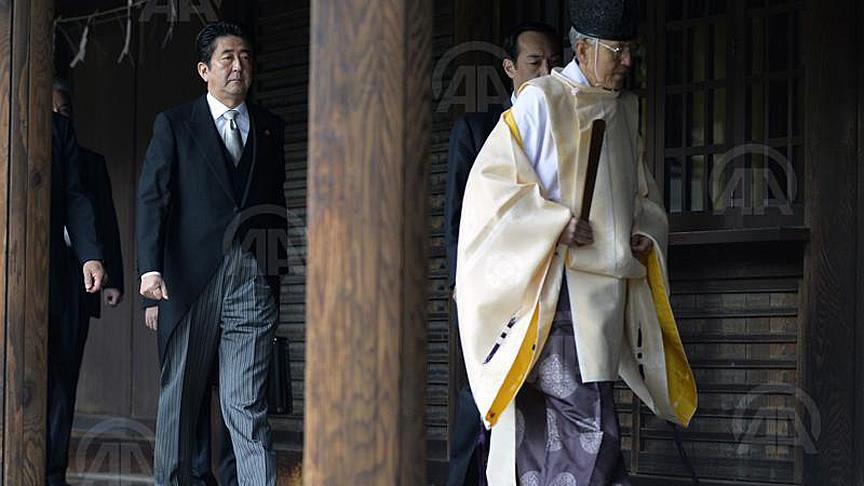
A Japanese cabinet minister and around 90 other lawmakers visited Friday a shrine for the country’s war dead, a move that has previously drawn protests from neighbors over Tokyo’s approach toward its militarist past.
Sanae Takaichi, minister of internal affairs and communications, told reporters after the trip to the Yasukuni Shrine, “I prayed for the peace of the souls of those who died for the country, as well as for health of bereaved families.”
Kyodo news agency also quoted her as saying that such a move “can never be a diplomatic issue."
Among the dozens of members of parliament from both the ruling and opposition parties were the Cabinet Office’s senior vice minister, Shuichi Takatori, and Yoshitaka Ito, senior vice agriculture minister.
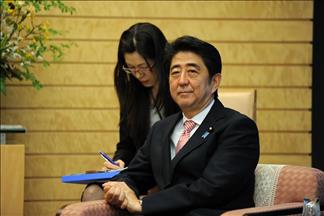
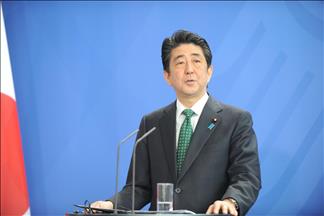
On Thursday, Prime Minister Shinzo Abe sent a ritual offering to the Yasukuni Shrine for its spring festival.
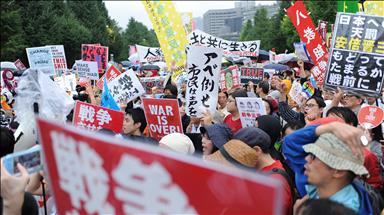
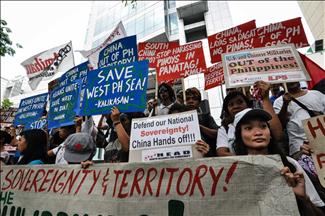
Beijing criticized the gesture, with a spokesperson for its foreign ministry saying that the shrine “honors top war criminals of World War II who were directly responsible for a war of aggression”.
The Yasukuni Shrine in Tokyo has been a source of tension between Japan and its neighbors, especially China and South Korea, as it honors 14 war criminals convicted by the Allies in the trials that followed World War II.
Visits by Japanese officials to Yasukuni, including one by Abe in Dec. 2013, have drawn criticism as they are viewed as a sign of Japan failing to atone for its past "imperialist aggression".
Conservative politicians in the country have been accused of repeatedly downgrading previous statements of apology.
Abe himself has previously defended visiting sites like Yasukuni as a way of promoting peace by ensuring the past is not forgotten.