09 March 2016•Update: 10 March 2016
By Alex Jensen
SEOUL
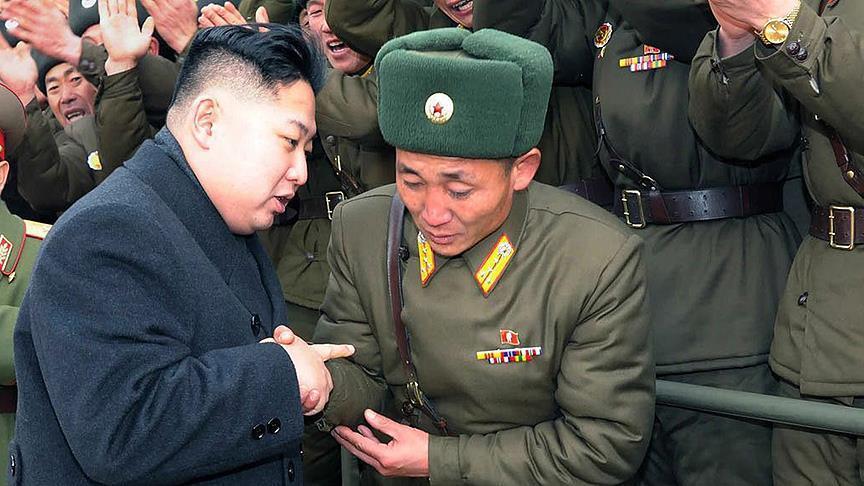
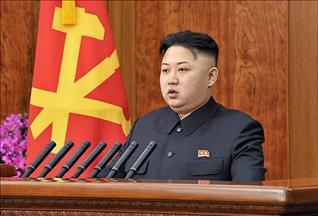
North Korea has nuclear warheads fit for use on ballistic missiles, according to leader Kim Jong-un on Wednesday -- the latest indication of Pyongyang’s defiance over global efforts to curb its weapon ambitions.
The comments were unprecedented in that they came from Kim himself, even though the North has repeatedly threatened to launch nuclear strikes on American and South Korean soil.
While offering guidance to local nuclear scientists, the North Korean leader referred to warheads that have been “standardized to be fit for ballistic missiles by miniaturizing them,” according to Pyongyang’s official KCNA news agency.
The claim directly countered fresh skepticism presented by U.S. Air Force Chief of Staff Gen. Mark Welsh hours earlier, when he told reporters that he did not believe the North to be “at that stage yet”.
South Korea’s defense ministry later added a statement also doubting that North Korea has possession of a miniaturized warhead.
Despite the absence of international recognition, Kim asserted that his country’s current capabilities present a “true nuclear deterrent”.
A U.S. State Department spokesman described Kim's statement as "provocative rhetoric" that is "doing nothing to decrease the tensions on the peninsula".
The United Nations Security Council unveiled new sanctions last week in response to the North’s fourth nuclear test in January and its subsequent long-range rocket launch.
With North Korea’s biggest trade partner China seen as a vital player if the sanctions are to be successful, international onlookers have apparently been encouraged by Beijing’s cooperation so far.
South Korean news agency Yonhap reported that daily shipments at a border area between China and the North have fallen by 20 - 30 percent since last week, citing “a diplomatic source”.
While the South has announced its own separate punitive measures against the North, it vowed Wednesday to go on providing help to its impoverished neighbor’s ordinary people.
“Despite the new sanctions, there is no change in the government's stance that Seoul will continue to offer humanitarian aid to North Koreans including infants and their mothers,” Unification Ministry spokesperson Jeong Joon-hee stated at a briefing.
Inter-Korean relations broke down completely last month with the closure of the joint Kaesong Industrial Complex just north of the border – the two sides are yet to agree a peace treaty following their 1950-53 conflict.