19 October 2015•Update: 28 October 2015
By Aamir Latif
KARACHI, Pakistan
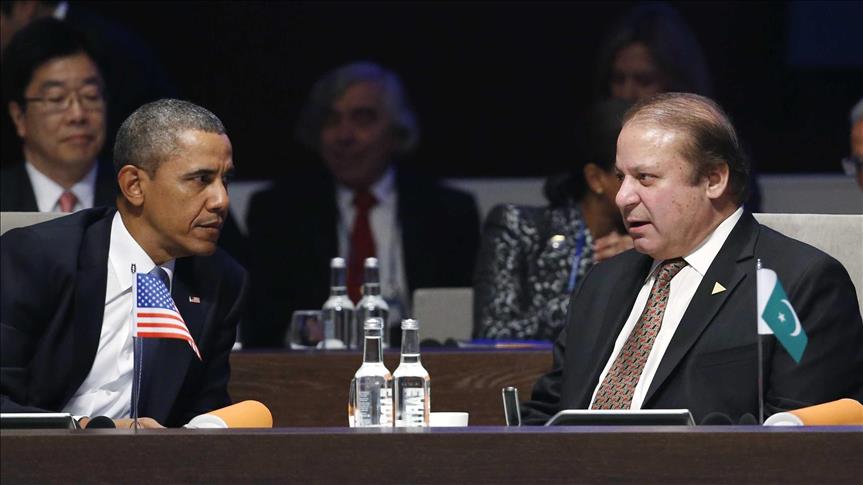
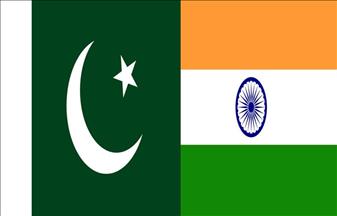
Pakistani Prime Minister Nawaz Sharif on Monday set out for a four-day visit to Washington, where he will discuss a range of issues with U.S. officials, including mounting tension in South Asia, stalled peace talks in Afghanistan, Pakistan's nuclear program and potential new avenues of bilateral trade.
At the head of a 15-member delegation, Sharif is scheduled to meet U.S. President Barack Obama at the White House on Thursday. He is also slated to hold meetings with the influential foreign relations committees of both houses of U.S. Congress.
Shortly before setting out for the U.S., Sharif described U.S.-Pakistani relations as “satisfactory”, but added that Islamabad wanted to see bilateral ties expanded further.
According to reports in the U.S. media, members of the Pakistani delegation will make the case for a U.S.-Pakistani civil nuclear technology agreement similar to one signed between Washington and New Delhi in 2005.
“We have no objection to the nature of ties between the U.S. and India,” Sartaj Aziz, Pakistan's national security and foreign affairs adviser, said in a recent interview.
“But what we expect from Washington is not to take steps that could destabilize the strategic balance in South Asia,” he added, stressing that his country was more interested in long-term trade and business partnerships with the U.S.
Divergent agendas
Political and security analysts, meanwhile, point to wide difference between Obama’s and Sharif’s priorities in this week’s talks.
According to Islamabad-based analyst Tanvir Qaiser Shahid, Pakistan's focus will be on alleged Indian involvement in terrorism on its territory, mounting tension on its border with India, and potential new trade avenues with Washington.
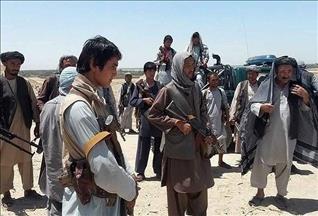
Washington's focus, meanwhile, he said, would be largely on recent events Afghanistan.
“President Obama has already made it clear that he would talk to Premier Sharif about the revival of stalled talks with the Afghan Taliban,” said Shahid. “The only focus of the Obama administration will be on Afghanistan.”
“Sharif's visit is happening at a crucial time, but Pakistan shouldn’t expect too much from it,” read an editorial in Monday’s edition of Express, one of Pakistan’s most widely circulated Urdu-language dailies.
“The U.S. has not shown any reaction to Indian involvement in Pakistan in the past and will not do so in the future as well,” the writer added. “Rather, the Obama administration will press Pakistan in accordance with its own agenda.”
Zahid Hussein, an Islamabad-based defense analyst, voiced a similar opinion.
“The Obama administration's focus [in the talks] will be on Afghanistan,” said Hussein.
“Washington will press Islamabad to use its alleged influence on the Afghan Taliban -- not only to return to talks, but to agree to a ceasefire until talks are underway,” he added.
Pakistan has long been dependent on the U.S. in terms of its military and financial needs. In recent years, however, Islamabad has drastically shifted its focus to longtime ally China and former enemy Russia.
In July, Islamabad signed a $46-billion “Pak-China Economic Corridor” agreement with Beijing. And last week, it inked a $2-billion agreement with Russia for construction of a 1,000-kilometer pipeline linking Karachi to northeastern Lahore.
In September, Islamabad also signed a defense deal with Moscow for the procurement of a number of MI-17 helicopters in a clear sign that it was no longer dependent solely on Washington for its security needs.