By Max Constant
BANGKOK
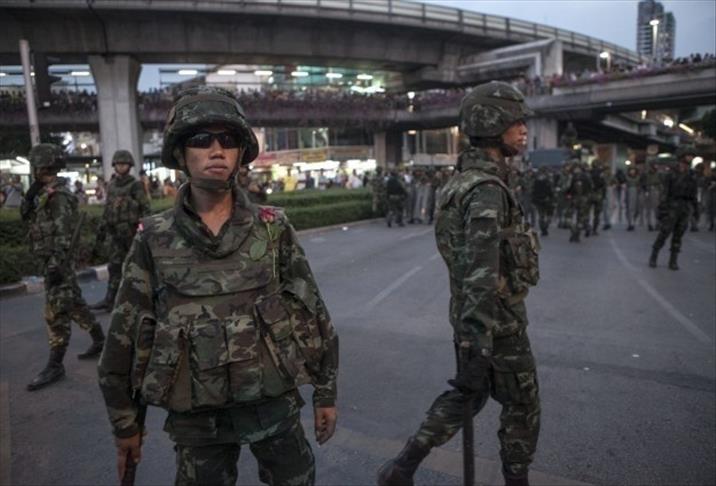
Thai authorities have taken to quizzing media looking to work in the kingdom, seeking positive views on the country's military junta before it grants them accreditation, according to a Thai newspaper.
The Nation reported two foreign correspondents as saying this week that they had been asked questions about their thoughts on the country's rulers and the monarchy during interviews at the Foreign Ministry during a visa screening process.
"Some foreign journalists are finding it very difficult to get accreditation [from the ministry]," it stated.
It detailed the case of a journalist working for a European outlet critical of the coup, who it said had to ask her embassy to intervene to process her application.
During the subsequent interview at the ministry, she said she was asked "very little about [her] work experience" and "far too many questions" on her opinions about the regime and the royal family.
The Nation reported the Foreign Ministry as denying "it was making things difficult".
In June, the Foreign Correspondents Club of Thailand sent a notice to its members concerning the difficulties encountered seeking media accreditation.
Since last year's coup that overthrew the elected government and ushered in the General Prayuth Chan-ocha-led junta relations between the ruling generals and the media have been uneasy.
In March, Chan-ocha said he would probably "just execute journalists" who "did not report the truth", but later claimed to have made the remark in jest.
In June, General Suchart Pongput, commander of the army signal department suggested a seminar for 200 local journalists and foreign correspondents in order to teach them how to ask "constructive questions" and "not to distort the truth".
Three recent press events at the Foreign Correspondents Club have also been cancelled due to junta pressure.
Rights groups and analysts have claimed that in the current atmosphere of intimidation of local media, foreign outlets have played a crucial role in providing balanced reporting on arrests, threats, and the many changes to Thai society the junta has implemented since it seized power.
"The very concept of 'selecting' only friendly foreign correspondents to cover Thailand during such an important transitional period in politics would end up being counter-productive to debate and analysis of what is happening," underlined The Nation.