15 February 2016•Update: 15 February 2016
By Alex Jensen
SEOUL
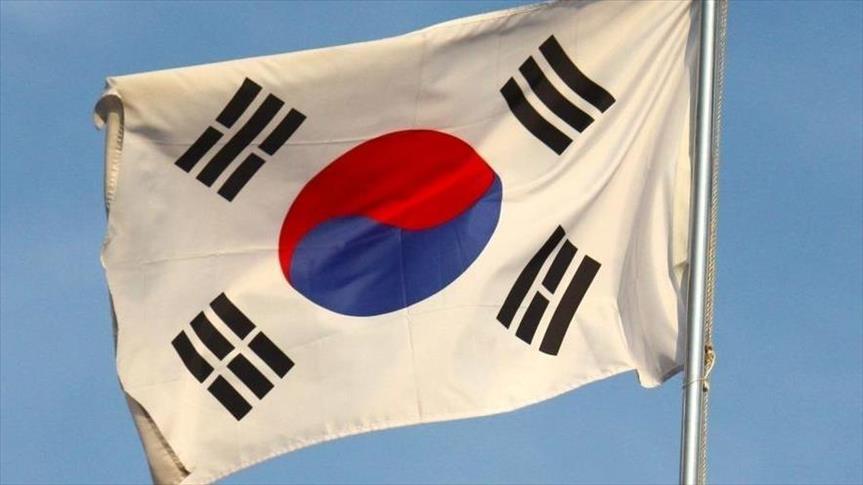
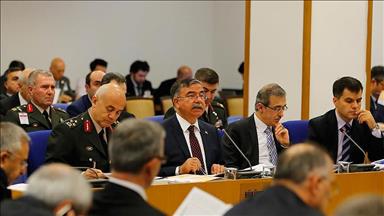
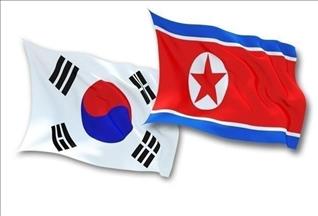
A leading South Korean official made a plea Monday at Seoul’s National Assembly for the development of a nuclear arsenal within the country, with lawmakers still discussing the best response to this year’s rocket launch and nuclear test by North Korea.
The call came from Won Yoo-cheol, floor leader of the ruling Saenuri Party, just over a week after the North broke multiple United Nations resolutions by sending a satellite into orbit.
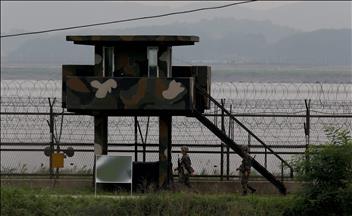
While South Korea benefits from the support of its ally the United States -- and the presence of nearly 30,000 American military personnel as a legacy of the 1950-53 Korean War -- the only nuclear weapons stationed on the peninsula are to be found north of the inter-Korean border.
“We cannot borrow an umbrella from a neighbor every time it rains. We need to have a raincoat and wear it ourselves,” Won was quoted as saying by local news agency Yonhap.
The metaphor made reference to a remote American nuclear umbrella, as the floor leader dismissed a 1991 inter-Korean denuclearization agreement given Pyongyang’s repeated provocations.
Seoul would face obstacles, not least from Washington, if it were to attempt to realize Won’s suggestion by going it alone -- even the South’s peaceful use of nuclear energy is under the strict guidance of a deal with the U.S.
If the allies could jointly agree on the deployment of American nuclear weapons in South Korea, it would run counter to consistent demands for a denuclearized Korean Peninsula from the U.S. as well as another major regional power -- China.
Beijing has already expressed its concerns over another recent development -- the imminent start of official negotiations between Seoul and Washington on installing a controversial missile defense system known as THAAD (Terminal High Altitude Area Defense) in South Korea.
Meanwhile, North Korea appears bent on defying the international community again despite the real prospect of tougher UN-led economic sanctions.
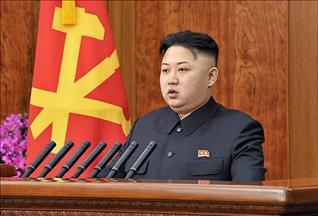
Leader Kim Jong-un encouraged the launch of more satellites while addressing scientists and officials at a banquet, according to the reclusive state’s KCNA news agency Monday.