10 December 2015•Update: 15 December 2015
By Alyssa McMurtry
MADRID
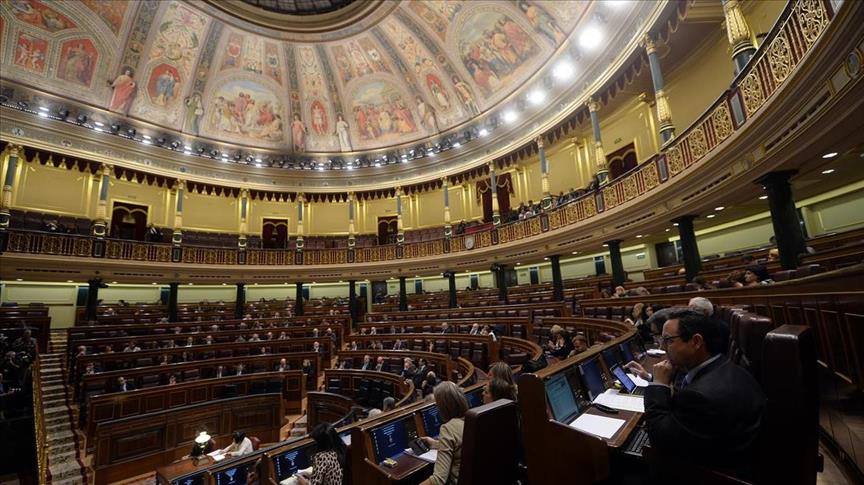
For the first time in Spanish national elections the traditional bipartisan system appears to be coming to an end.
With the poll less than two weeks away, two new parties are gaining momentum at the expense of the Socialists and the ruling People’s Party.
The left-wing Podemos Party, which was born out of last year’s protests against inequality and corruption, and the socially liberal but free market-loving Cuidadanos Party are set to make unprecedented gains on Dec. 20.
It will be the first time in Spain’s democratic era that four parties have been fighting over 10 to 30 percent of votes and whichever party wins is expected to do so with less than 30 per cent of the vote.
Whether or not the winning party will govern, depending on potential pacts, is yet another novelty in this year’s election.
Traditionally, the Spanish Socialist Workers’ Party or the right-leaning People’s Party, which currently governs under Prime Minister Mariano Rajoy, have dominated the Spanish political scene. However, major corruption scandals have rocked both parties and voters are increasingly turning to the newcomers.
The most recent polls, released Wednesday suggest that Rajoy’s party will win reelection but only as a minority government with around 27.5 percent of the vote, Cuidadanos would overtake the Spanish Socialist Worker’s Party (PSOE) for second, with 21.6 per cent of the vote, and Podemos would come in fourth with 17.4 per cent.
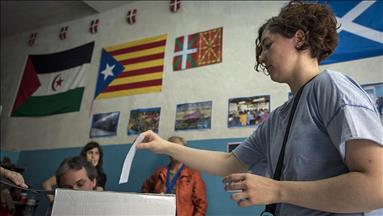
Over recent months, candidates have fiercely debated and presented their plans for economic recovery, education, transparency, foreign policy and social security. The looming issue of Catalan separatism has also become a hot issue.
Two debates with all major candidates, excluding Rajoy, have taken place. The prime minister has declined all invitations to debate except against Socialist leader Pedro Sanchez, which will take place Monday.
Spain was hit hard by the 2008 financial crisis and still suffers the second highest unemployment rate in the EU at 21 per cent.
The People’s Party points to improving employment as well as a general economic recovery over the last four years as reasons to put them back in office and these have been the main focus of its campaign. Stability, they say, is the best way.
The Socialists have been critical of austerity measures taken by Rajoy’s government and have pledged to increase the comfort of those in the middle and lower income brackets, while still working with the EU.
Podemos is campaigning along a similar philosophy of the left-wing Syriza alliance in Greece, promising to cut back on austerity and increase social welfare.
Cuidadanos are talking about working with Europe in a pragmatic way. While they are not as socially conservative as the People’s Party, they support free-market capitalism in a similar way.
With a large portion of voters still undecided, the next days will be critical for politicians on all four sides.